
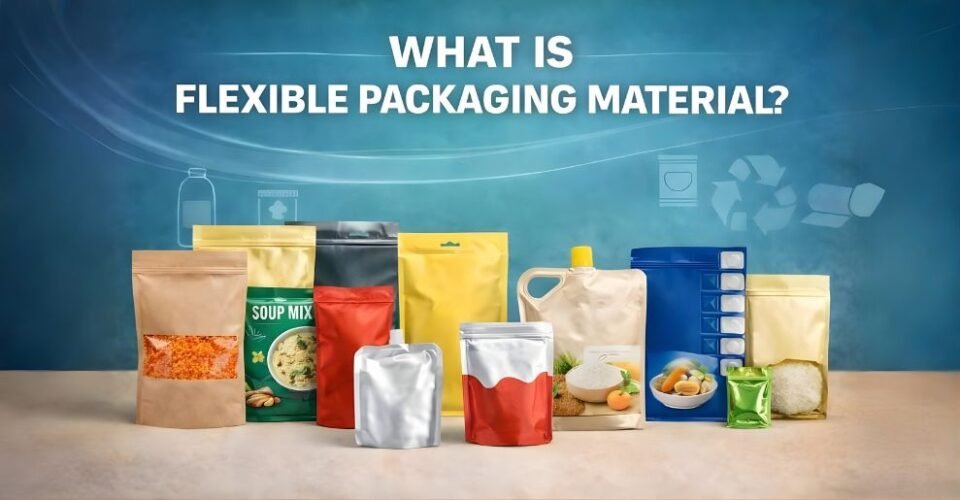
Flexible packaging material refers to packaging made from flexible substrates such as plastic films, aluminium foil, paper, or laminated layers that can bend, fold, or adapt to product shapes while maintaining protection.
In modern packaging, flexible packaging material goes beyond basic containment and supports efficiency, branding, and supply chain optimisation. Its lightweight structure and performance benefits make it suitable for both food and non-food applications.
Flexible packaging material is widely adopted across industries due to adaptability and reduced material usage. Its role becomes clearer when evaluated through material structures, pouch formats, and real-world packaging applications.
Understanding Flexible Packaging Material in Modern Packaging
To understand what flexible packaging material is, it is important to see how modern packaging systems function today. Flexible packaging material refers to packaging made from substrates that can bend, fold, or adapt without losing strength.
These materials use plastic films, aluminium foil, paper, or laminated layers to provide protection and flexibility. When brands assess flexible packaging material, they focus on efficiency, lightweight structure, and reliable barrier performance.
Across industries, flexible packaging material is steadily replacing rigid formats due to lower material usage and improved performance. This shift has driven flexible packaging companies to develop advanced solutions for diverse applications.
Flexible Packaging Material Used for High-Volume Dry Products
Flexible packaging material used for dry and free-flowing products must offer strength, volume efficiency, and sealing reliability. These applications demand packaging that performs consistently during bulk filling and distribution.
For high-volume dry goods, flexible packaging material delivers durability while reducing material usage. The following pouch formats demonstrate how this material performs across food and non-food segments.
Center Seal Gusset Pouch
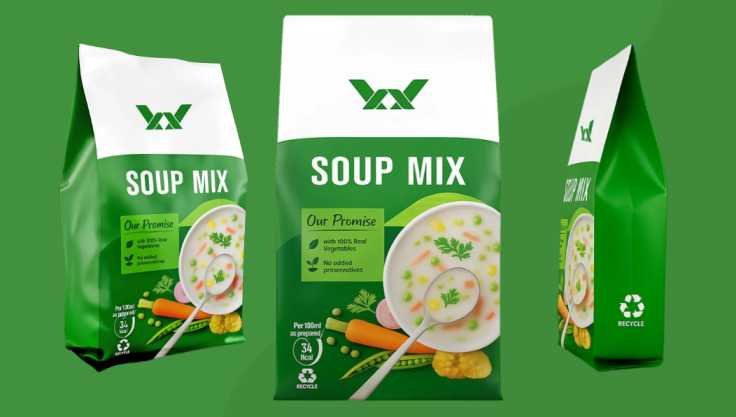
Center Seal Gusset Pouch uses layered flexible packaging material with side gussets to increase fill capacity while maintaining stability during handling.
It is commonly used for grains, pulses, flour, dry snacks, detergents, and industrial powders, making it suitable for bulk packaging environments.
Key features and uses
- Laminated flexible packaging material with side gussets
- Suitable for dry food and non-food products
- Efficient for high-volume packaging needs
Center Seal Pouch
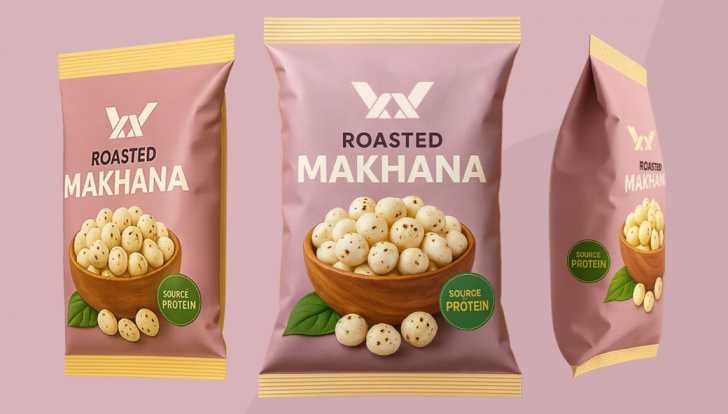
Center Seal Pouch supports high-speed production using lightweight flexible packaging material with reliable sealing performance.
It is widely used for snacks, spices, sachets, and small non-food products, making it a preferred option among flexible packaging companies.
Key features and uses
- Lightweight flexible packaging material
- Compatible with high-speed packaging lines
- Cost-effective for mass-market applications
Flexible Packaging Material for Liquid and Semi-Liquid Applications
Flexible packaging material used for liquids must prevent leakage while maintaining ease of handling. These applications rely on advanced barrier layers and precise sealing structures.
To meet these requirements, flexible packaging material is engineered using multi-layer laminates that resist moisture, pressure, and contamination.
Corner Spout Pouch
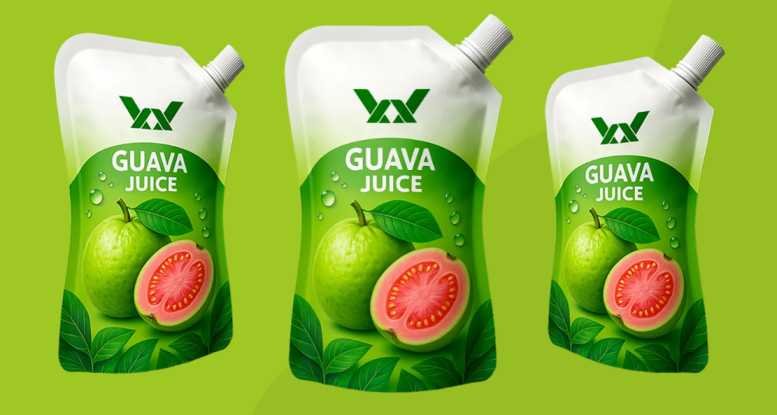
Corner Spout Pouch uses high-barrier flexible packaging material to ensure leak resistance and controlled dispensing.
It is used for beverages, sauces, edible oils, lubricants, and liquid detergents across food and industrial segments.
Key features and uses
- Multi-layer flexible packaging material with strong barrier protection
- Controlled pouring through spout design
- Suitable for liquid food and industrial products
Spout Pouch with Handle
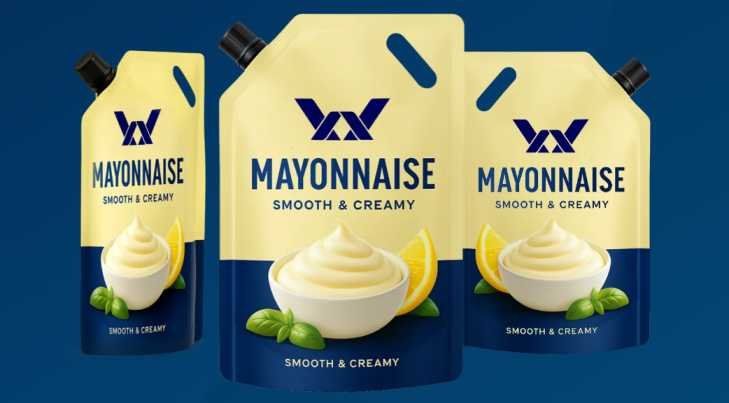
Spout Pouch with Handle is designed for larger liquid volumes requiring durability and convenience. Reinforced flexible packaging material supports additional weight.
It is used for dairy liquids, syrups, edible oils, household cleaners, and industrial fluids.
Key features and uses
- Reinforced flexible packaging material
- Integrated handle for easy handling
- Ideal for large-volume liquid packaging
Flexible Packaging Material Designed for Shelf Appeal and Branding
Flexible packaging material plays a key role in improving shelf visibility and brand differentiation. Retail-focused packaging demands both protection and strong visual impact.
With support for custom shapes and premium printing, flexible packaging material enables brands to stand out in competitive markets.
Shaped Pouch
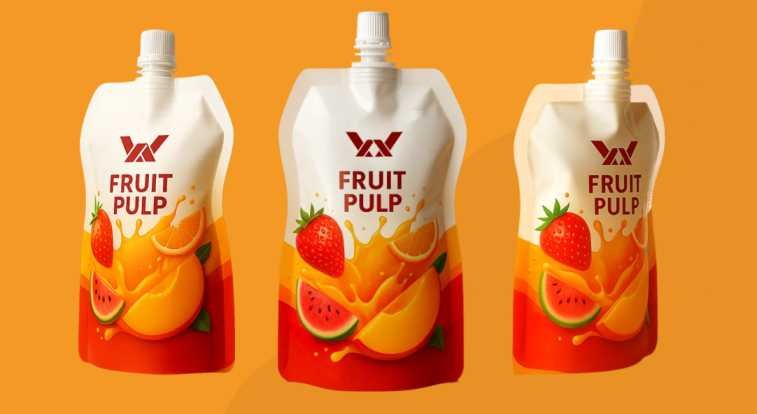
Shaped Pouch uses custom-cut flexible packaging material that maintains form while allowing creative design execution.
It is commonly used for baby food, confectionery, beverages, and personal care products.
Key features and uses
- Custom-shaped flexible packaging material
- High-definition print compatibility
- Ideal for branding-focused products
Flat Bottom Pouch
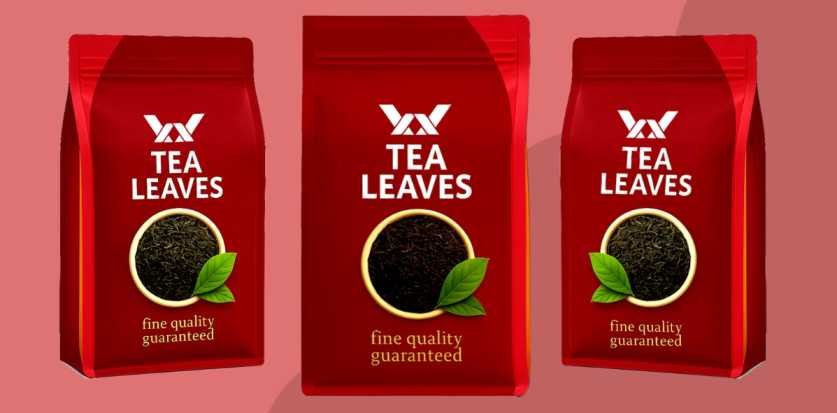
Flat Bottom Pouch offers a premium packaging solution using layered flexible packaging material for stability and shelf presence.
It is widely used for coffee, tea, dry fruits, pet food, and nutraceutical products.
Key features and uses
- Multi-layer flexible packaging material
- Strong shelf stability and premium appearance
- Suitable for high-value food and non-food products
Functional Flexible Packaging Material for Daily Consumer Convenience
For everyday consumer products, ease of use and storage efficiency are critical. Flexible packaging material enables convenient formats that improve usability without increasing material consumption.
These functional formats highlight the benefits of flexible packaging across food and non-food categories.
Stand Up Pouch
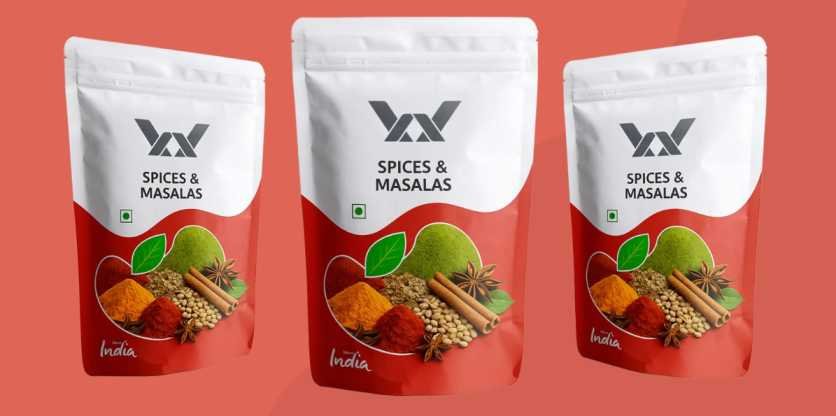
Stand Up Pouch uses a bottom gusset structure made from flexible packaging material to improve shelf visibility and storage convenience.
It is widely used for sauces, snacks, frozen foods, cleaning products, and personal care items.
Key features and uses
- Self-standing flexible packaging material structure
- Suitable for food and non-food applications
- Enhances shelf display and user convenience
Zipper Lock Pouch
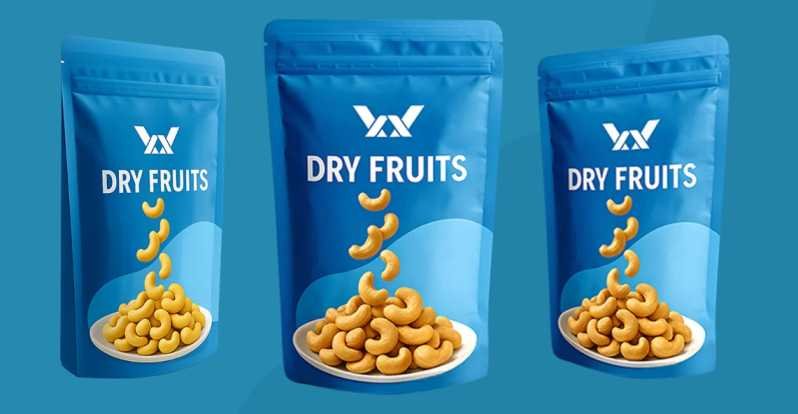
Zipper Lock Pouch focuses on resealability and repeated usage using durable flexible packaging material.
It is commonly used for dry foods, snacks, and pharmaceutical products where freshness retention is important.
Key features and uses
- Resealable flexible packaging material
- Helps maintain product freshness
- Ideal for multi-use packaging
Compact and Cost-Efficient Flexible Packaging Material Formats
For high-volume production, material optimisation and cost control are essential. Flexible packaging material supports compact formats that reduce waste while maintaining protection.
These formats are widely used across industries due to efficiency and scalability.
4 Side Seal Pouch
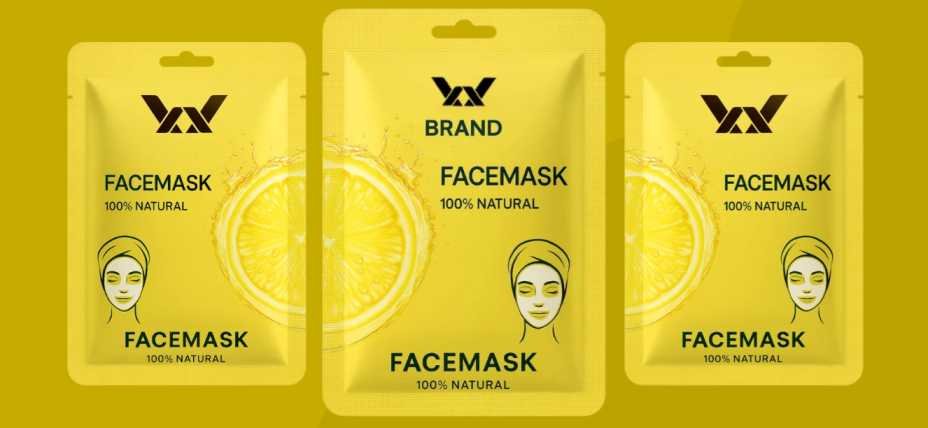
4 Side Seal Pouch uses layered flexible packaging material sealed on all sides to deliver strong containment and barrier performance.
It is used for spices, pharmaceuticals, ready-to-mix foods, and specialty chemicals.
Key features and uses
- Fully sealed flexible packaging material
- High barrier against moisture and air
- Suitable for sensitive food and non-food products
3 Side Seal Pouch
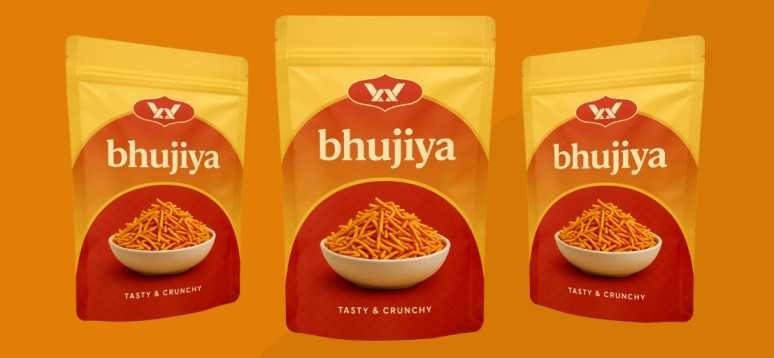
3 Side Seal Pouch uses minimal flexible packaging material while ensuring reliable sealing and compact design.
It is widely used for sauces, instant mixes, cosmetic samples, and medical sachets in large-scale production.
Key features and uses
- Minimal flexible packaging material usage
- Lightweight and space-efficient structure
- Ideal for sachet and sample packaging
How to Choose the Right Flexible Packaging Material
Selecting the right packaging starts with evaluating how flexible packaging material aligns with product performance and supply chain needs. The decision should focus on safety, compatibility, and long-term reliability.
Flexible packaging material must protect the product while integrating smoothly into manufacturing and distribution systems.
Product Requirements and Usage Conditions
Each product has unique characteristics that influence material selection. Factors such as moisture sensitivity, shelf life, and handling conditions determine suitable flexible packaging material options.
For food products, barrier protection and hygiene are essential, while non-food applications may prioritise durability and chemical resistance.
Material Compatibility and Pouch Structure
Different types of flexible packaging materials perform differently depending on pouch structure and sealing design. Compatibility between material layers and pouch format ensures strength and consistency.
This is where understanding Types of Packaging Pouches becomes important, as material selection must support functional design requirements.
Manufacturing Capability and Quality Standards
Consistent processing of flexible packaging material depends on manufacturing expertise and quality control systems. Advanced machinery and compliance protocols ensure reliable performance at scale.
Partnering with the best flexible packaging manufacturers helps brands achieve uniform quality, regulatory compliance, and supply continuity through trusted flexible packaging companies.
Role of Flexible Packaging Companies in Material Innovation
The growth of flexible packaging material is closely linked to continuous innovation driven by leading flexible packaging companies. These manufacturers invest in material science, process optimisation, and strict quality control systems.
Developing reliable flexible packaging material requires expertise in balancing strength, flexibility, and regulatory compliance. This capability supports a wide range of applications across food and non-food industries.
Companies such as Whitelotus Industries Limited contribute to this progress through advanced laminates and precision manufacturing. Their approach reflects the evolving types of flexible packaging materials used in modern packaging solutions.
This focus on innovation strengthens performance, reliability, and the long-term benefits of flexible packaging for businesses operating at scale.
Benefits of Flexible Packaging Material for Modern Businesses
For modern businesses, packaging decisions are driven by efficiency, performance, and adaptability. Flexible packaging material supports these priorities while aligning with evolving market and supply chain needs.
Due to these advantages, flexible packaging material continues to gain preference across food and non-food sectors, supported by leading flexible packaging companies.
Key Business Benefits
- Cost reduction: Flexible packaging material reduces material consumption and transportation weight, improving overall cost efficiency.
- Improved shelf life: Advanced barrier layers protect products from moisture, oxygen, and contamination.
- Supply chain efficiency: Lightweight and compact formats simplify storage, handling, and logistics operations.
- Brand differentiation: High-quality printing and customised formats enhance shelf appeal across retail channels.
These benefits clearly position flexible packaging material as a future-ready solution among the types of flexible packaging materials used in modern packaging systems.
Future Trends Shaping Flexible Packaging Material
The future of packaging is being shaped by innovation, sustainability, and evolving consumer expectations. Flexible packaging material is advancing to meet performance, branding, and environmental priorities together.
Flexible packaging material now supports improved functionality, lightweight construction, and responsible material usage. These shifts are influencing how flexible packaging companies design next-generation packaging solutions.
Advancements in materials and manufacturing are redefining the types of flexible packaging materials used across food and non-food sectors. As a result, the long-term benefits of flexible packaging continue to expand for modern businesses.
Shift Toward Sustainable Flexible Packaging Material
Sustainability is one of the strongest drivers shaping packaging decisions today. Many brands are transitioning toward recyclable and lightweight types of flexible packaging materials to reduce environmental impact.
Flexible packaging material requires fewer resources than rigid alternatives, making it a preferred option for sustainability-focused supply chains.
Advanced Barrier Technologies
Modern flexible packaging material is being developed with enhanced barrier properties to protect products from moisture, oxygen, and external contamination.
These advancements support longer shelf life and consistent quality, especially for food, pharmaceuticals, and sensitive non-food products.
Smart and Functional Packaging Innovations
Technology is improving how flexible packaging material performs in real-world applications. Features such as resealability, easy-tear openings, and improved print clarity enhance usability and shelf appeal.
These innovations further strengthen the benefits of flexible packaging for brands focused on convenience and differentiation.
Growing Role of Flexible Packaging Companies
As demand rises, flexible packaging companies are investing in research, automation, and quality systems. This ensures scalable production, consistency, and faster turnaround times.
Industry leaders such as White Lotus Industries Limited continue to adapt by aligning manufacturing capabilities with evolving market expectations and material innovations.
Conclusion
Flexible packaging material has become a strategic choice for businesses seeking efficiency, adaptability, and long-term value. Its ability to support sustainability, logistics optimisation, and product protection makes it suitable across industries.
With expanding applications and innovation, the benefits of flexible packaging continue to strengthen its position in modern packaging strategies.
Many businesses work with experienced manufacturers such as White Lotus Industries Limited to access reliable solutions aligned with future-ready packaging requirements.
Frequently Asked Questions (FAQs)
What are the benefits of flexible packaging?
The main benefits of flexible packaging include lower material usage, reduced transportation costs, extended shelf life, and improved branding flexibility. Flexible packaging material also supports sustainability goals across food and non-food industries.
Which type of packaging is best for modern businesses?
The best packaging type depends on product needs and distribution conditions. In most cases, flexible packaging material is preferred due to versatility, cost efficiency, and wide availability from flexible packaging companies.
What are examples of flexible packaging?
Common examples include stand-up pouches, zipper lock pouches, spout pouches, center seal pouches, and roll form packaging. These formats use flexible packaging material to adapt to product shapes while ensuring protection and storage efficiency.
What is an example of a flexible container?
A stand-up pouch with a zipper or spout is a common flexible container. These containers are produced using advanced flexible packaging material and are widely manufactured in India.
Why are flexible packaging companies growing rapidly?
Flexible packaging companies are expanding due to rising demand for lightweight, customisable, and scalable solutions. Innovation in materials and sustainability continues to drive growth across industries.