
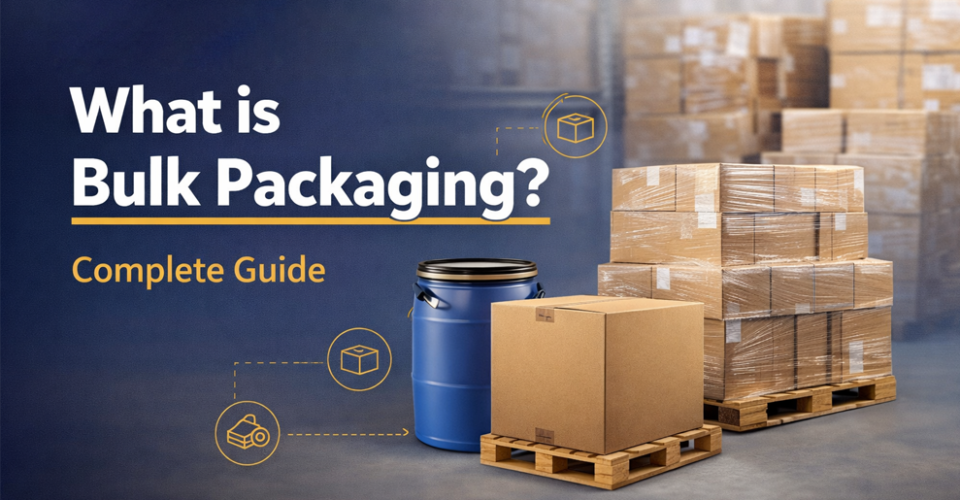
Bulk packaging plays a critical role in modern manufacturing, logistics, and large-scale distribution. But what is bulk packaging exactly, and why is it essential for industries across India and globally? In simple terms, bulk packaging refers to the process of packing products in large quantities for storage, transportation, or wholesale distribution rather than individual retail sale. It is commonly used in industries such as food processing, agriculture, chemicals, pharmaceuticals, FMCG, and industrial manufacturing.
As supply chains expand and businesses aim to reduce operational costs, bulk packaging has become a strategic solution for improving efficiency and minimizing packaging waste. From FIBC jumbo bags and IBC tanks to HDPE drums and large flexible packaging sacks, bulk packaging solutions are designed to handle heavy volumes safely while optimizing storage space and transportation costs.
For manufacturers and exporters, choosing the right bulk packaging system directly impacts product safety, shelf life, compliance with industry regulations, and overall profitability. Working with a reliable flexible packaging supplier ensures access to high-quality materials, customized packaging solutions, and expert guidance based on industry standards. In this complete guide, we will explore the types of bulk packaging, materials used, key benefits, industry applications, and how businesses can select the most suitable bulk packaging solution with the support of an experienced flexible packaging supplier.
What is Bulk Packaging
What is Bulk Packaging? It is a packaging method used to store, handle, and transport products in large quantities instead of individual retail packs. Businesses use bulk packaging to improve efficiency, reduce costs, and simplify large-scale logistics. Understanding What is Bulk Packaging helps industries manage high-volume goods safely while maintaining product quality during storage and transportation. At the same time, many companies are also exploring What is Sustainable Packaging to reduce environmental impact while maintaining strength, safety, and performance in bulk distribution systems.
Key features of bulk packaging include:
- Designed for wholesale, industrial, and B2B distribution
- Used for food, agriculture, chemicals, pharmaceuticals, and manufacturing sectors
- Common formats include jumbo bags, drums, IBC containers, and bulk sacks
- Reduces packaging material and transportation costs
- Improves storage efficiency and supply chain management
Types of Bulk Flexible Packaging Solutions
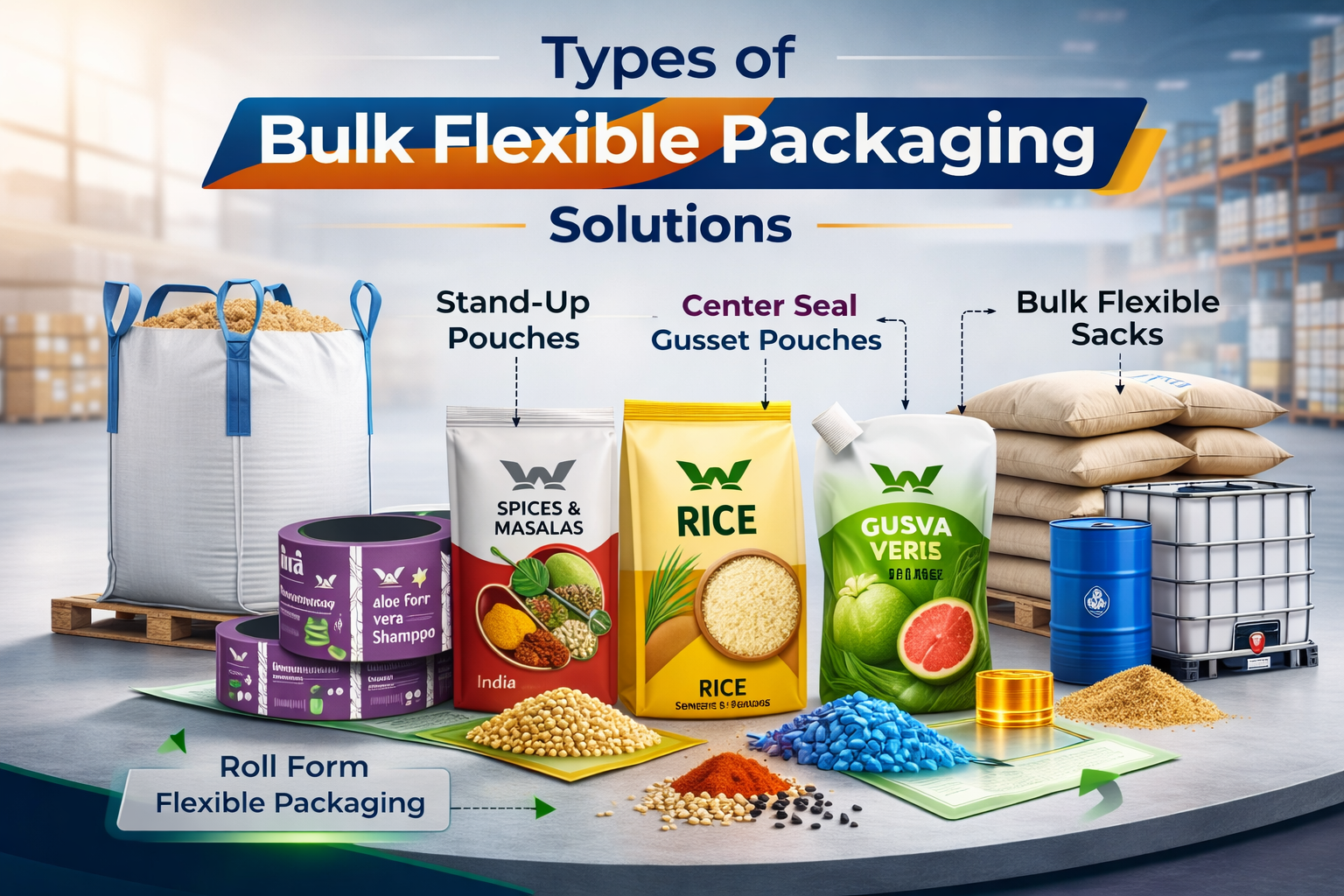
Understanding the Types of Bulk Flexible Packaging is important for businesses that handle large product volumes and need efficient, cost-effective packaging solutions. The Types of Bulk Flexible Packaging are designed to provide flexibility, durability, and protection while reducing transportation and storage costs. These packaging solutions are widely used in industries such as food processing, agriculture, pharmaceuticals, chemicals, and FMCG manufacturing.
Common Types of Bulk Flexible Packaging include:
- FIBC Jumbo Bags: High-capacity bags suitable for heavy materials like grains, fertilizers, and industrial products.
- Bulk Flexible Pouches and Sacks: Used for dry food items, powders, and bulk ingredients.
- Flexible Liners: Provide additional protection against moisture and contamination.
- Spout Pouches: Ideal for controlled dispensing of bulk liquid products.
- Roll Form Packaging: Used in automated production and high-volume packaging processes.
Key Benefits of Bulk Flexible Packaging for Businesses
Bulk flexible packaging has become a preferred solution for modern businesses that handle large product volumes and need efficient, cost-effective packaging systems. Companies across food processing, agriculture, pharmaceuticals, chemicals, and FMCG sectors use bulk flexible packaging to improve logistics performance, reduce operational costs, and ensure product safety.
Understanding the key benefits of bulk flexible packaging helps businesses choose smarter packaging strategies that support scalability and sustainability.
Major benefits of bulk flexible packaging include:
- Cost efficiency: Flexible materials use less raw material compared to rigid packaging, helping reduce production and transportation costs.
- Lightweight structure: Lower weight means reduced shipping expenses and easier handling during storage and distribution.
- Space optimization: Flexible packaging can be stacked or stored efficiently, improving warehouse management and maximizing storage capacity.
- Enhanced product protection: Multi-layer barrier films help protect against moisture, oxygen, light, and contamination, which helps extend shelf life.
- Sustainability advantages: Uses fewer resources and reduces packaging waste, supporting eco-friendly packaging practices.
- Customization flexibility: Businesses can choose different designs, sizes, printing options, and functional features such as resealable zippers or spouts.
- Improved supply chain efficiency: Bulk flexible packaging simplifies loading, unloading, and transportation processes, saving time and labor costs.
Overall, bulk flexible packaging helps businesses achieve better efficiency, improved product safety, and long-term cost savings while meeting modern packaging and sustainability demands.
Industries That Benefit from Bulk Packaging Solutions
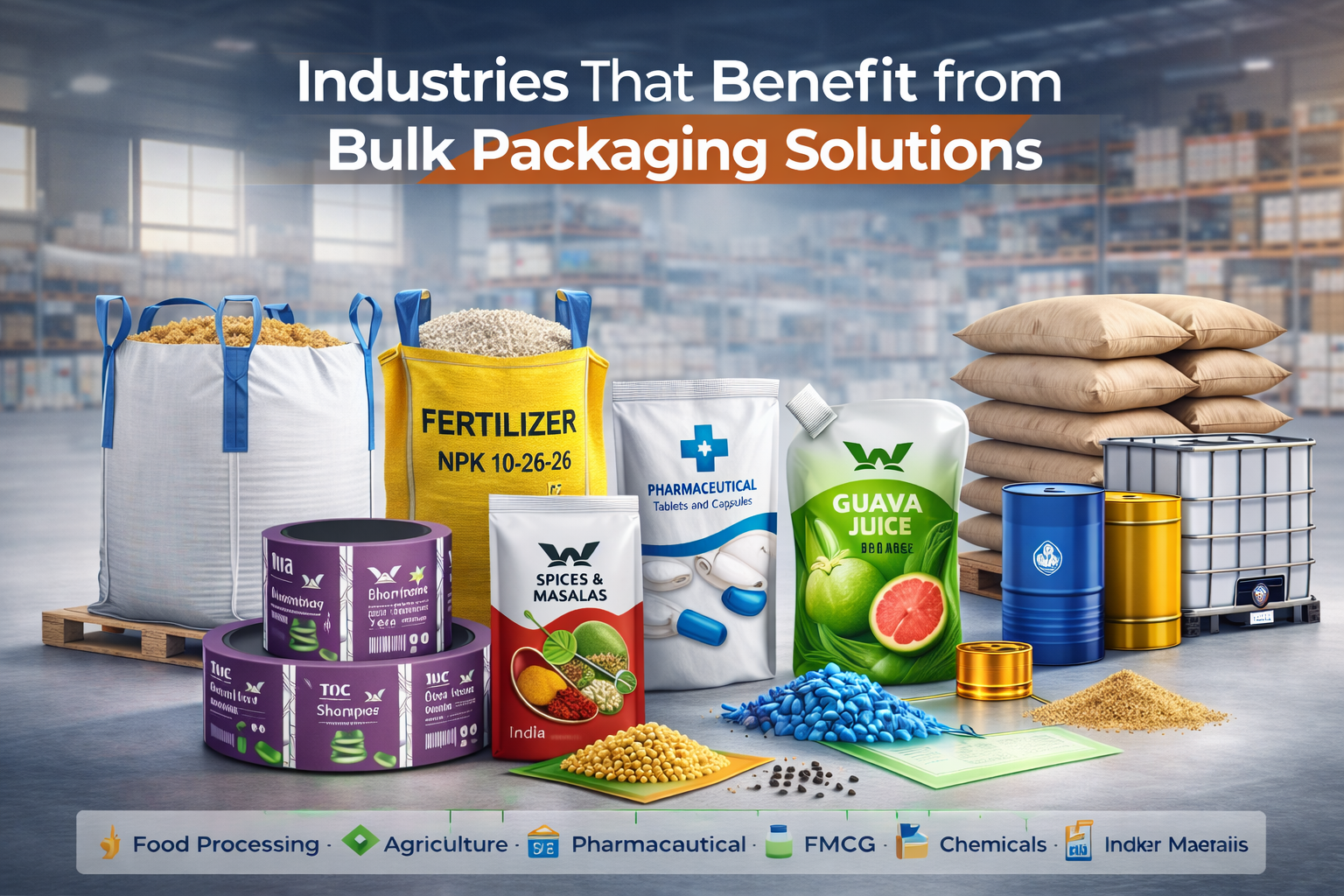
Many sectors rely on bulk packaging to handle large volumes of products safely, reduce costs, and improve logistics efficiency. Understanding the industries that benefit from bulk packaging solutions helps businesses choose the right packaging method based on product type, transportation needs, and storage requirements.
Bulk packaging is especially valuable for companies involved in manufacturing, distribution, and export operations, especially when working with a reliable Center Seal Gusset Pouches manufacturer that provides durable and efficient packaging solutions for large-scale product handling.
Key industries that benefit from bulk packaging solutions include:
- Food and Beverage Industry: Used for grains, spices, dry foods, and bulk ingredients requiring safe storage and easy transportation.
- Agriculture Sector: Ideal for fertilizers, seeds, animal feed, and harvested crops that need high-capacity packaging.
- Chemical and Industrial Manufacturing: Used for powders, liquids, and hazardous materials requiring durable packaging.
- Pharmaceutical Industry: Supports safe handling of raw materials and bulk medical supplies.
- Construction Industry: Suitable for cement, minerals, and heavy raw materials.
Bulk packaging improves efficiency, reduces packaging waste, and supports large-scale supply chains across these industries.
Future Trends in Bulk Flexible Packaging Industry
The bulk flexible packaging industry is rapidly evolving as businesses look for smarter, sustainable, and more efficient ways to store and transport products. Understanding future trends helps companies stay competitive, reduce costs, and meet customer expectations. As demand grows across food, agriculture, pharmaceuticals, and industrial sectors, new innovations are shaping how bulk flexible packaging performs and supports the supply chain.
Key future trends in the bulk flexible packaging industry include:
- Sustainable and Eco-Friendly Packaging:
Increasing focus on recyclable materials, biodegradable films, and reduced plastic usage. Businesses are adopting greener packaging to meet environmental regulations and consumer demand for sustainability. - Advanced Barrier Technology:
Improved multi-layer films and advanced barriers that provide better protection against moisture, oxygen, and contaminants. These innovations help extend shelf life and reduce product loss. - Smart and Connected Packaging:
Integration of technologies such as QR codes, RFID tags, and sensors that track product condition, temperature, and location during storage and transit. This improves visibility across the supply chain. - Lightweight and High-Strength Materials:
New materials that provide stronger protection while remaining lightweight help reduce shipping costs and carbon emissions. These enhancements make bulk flexible packaging more efficient. - Automation and Digital Production:
Automated packaging lines, robotics, and digital printing systems increase production speed and consistency. Digital printing also allows brands to customize designs at scale. - Circular Economy Initiatives:
Business models focused on reuse, refill systems, and material recovery to reduce waste and encourage recycling.
These future trends are pushing the bulk flexible packaging industry toward greater innovation, sustainability, and performance, helping businesses improve efficiency and meet changing market demands.
Final Thoughts
Understanding What is Bulk Packaging is essential for businesses that manage large production volumes, wholesale distribution, or export operations. Bulk packaging is not just about packing products in large quantities; it is about improving efficiency, protecting goods, reducing costs, and strengthening the overall supply chain. From agriculture and food processing to pharmaceuticals and industrial manufacturing, bulk packaging plays a key role in safe storage, smooth transportation, and regulatory compliance.
Choosing the right packaging solution requires careful evaluation of materials, product type, weight, storage conditions, and industry standards. Businesses must focus on durability, barrier protection, sustainability, and cost-effectiveness when selecting bulk packaging systems. Partnering with an experienced packaging provider ensures better customization, quality assurance, and long-term operational benefits.
As industries continue to evolve, packaging solutions are also becoming more innovative and environmentally responsible. Companies are exploring sustainable materials and advanced flexible packaging formats, including options like What is Stand Up Pouch, which offer convenience, branding flexibility, and strong product protection.
In conclusion, bulk packaging is a strategic investment for modern businesses. When selected wisely, it improves productivity, supports scalability, enhances product safety, and contributes to long-term profitability in competitive markets.
Frequently Asked Questions (FAQs)
1. What is bulk packaging used for?
Bulk packaging is used to store, transport, and handle products in large quantities for wholesale, industrial, or export purposes. It helps businesses reduce packaging costs, improve logistics efficiency, and protect goods during storage and shipping.
2. What is considered bulk packaging?
Bulk packaging refers to packaging designed for large volumes rather than individual retail units. Examples include jumbo bags (FIBC), IBC tanks, HDPE drums, bulk sacks, and palletized shipments used in industrial and commercial supply chains.
3. What industries use bulk packaging the most?
Industries such as agriculture, food processing, chemicals, pharmaceuticals, construction, and FMCG manufacturing rely heavily on bulk packaging to manage high-volume production and distribution safely and efficiently.
4. What is the difference between bulk packaging and retail packaging?
Bulk packaging is designed for business-to-business distribution and large-scale storage, while retail packaging is meant for direct consumer sales. Bulk packaging focuses on cost efficiency and logistics, whereas retail packaging emphasizes branding and convenience.
5. Is bulk packaging cost-effective?
Yes, bulk packaging is cost-effective because it reduces material usage, lowers transportation costs, minimizes handling expenses, and improves warehouse space utilization for businesses dealing with large quantities.
6. What materials are used in bulk packaging?
Common materials include HDPE plastic, polypropylene (PP), laminated films, metal drums, woven sacks, and multi-layer flexible packaging materials depending on product type and industry requirements.
7. How do you choose the right bulk packaging solution?
The right bulk packaging solution depends on product weight, storage conditions, transportation method, regulatory compliance, shelf life requirements, and sustainability goals. Consulting an experienced packaging supplier ensures better safety and efficiency.