
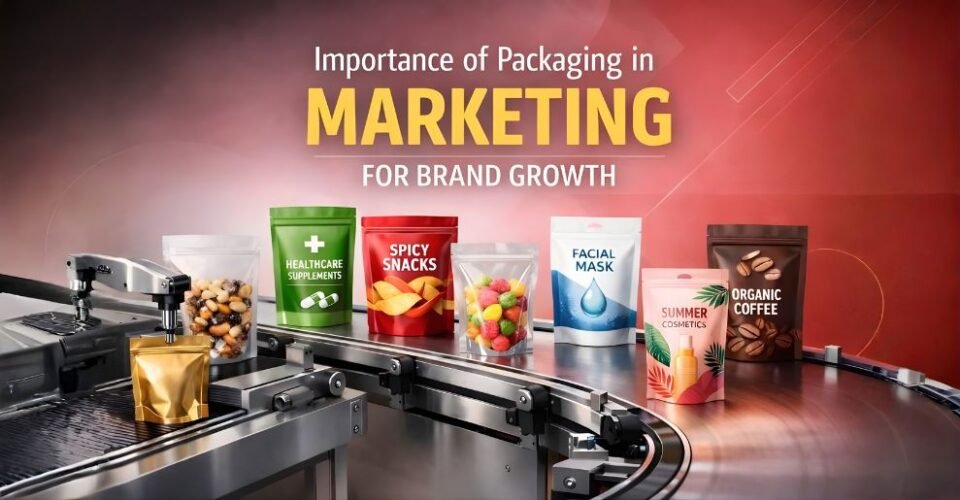
The importance of packaging in marketing has grown far beyond protection and storage. In modern markets, packaging directly influences perception, purchasing decisions, and long-term brand growth. It acts as a silent salesperson that communicates value before a customer even interacts with the product.
Understanding the role of packaging in marketing helps businesses recognise how structure, design, and messaging work together to build trust. The importance of packaging design now extends into consumer psychology, shelf visibility, and digital commerce performance.
The true importance of packaging in marketing lies in its ability to shape brand identity and drive differentiation in competitive markets. To understand how this translates into measurable brand growth, let us examine the core factors that define packaging’s strategic impact.
12 Key Factors That Define the Importance of Packaging in Marketing
The importance of packaging in marketing becomes clearer when analysed through practical business outcomes. Packaging influences brand positioning, customer trust, product protection, and repeat purchase behaviour across multiple channels.
The following twelve factors explain the evolving role of packaging in branding and how businesses leverage packaging as a growth engine rather than a cost centre, a principle widely adopted by companies like White Lotus Industries.
1. First Impressions Influence Purchase Decisions
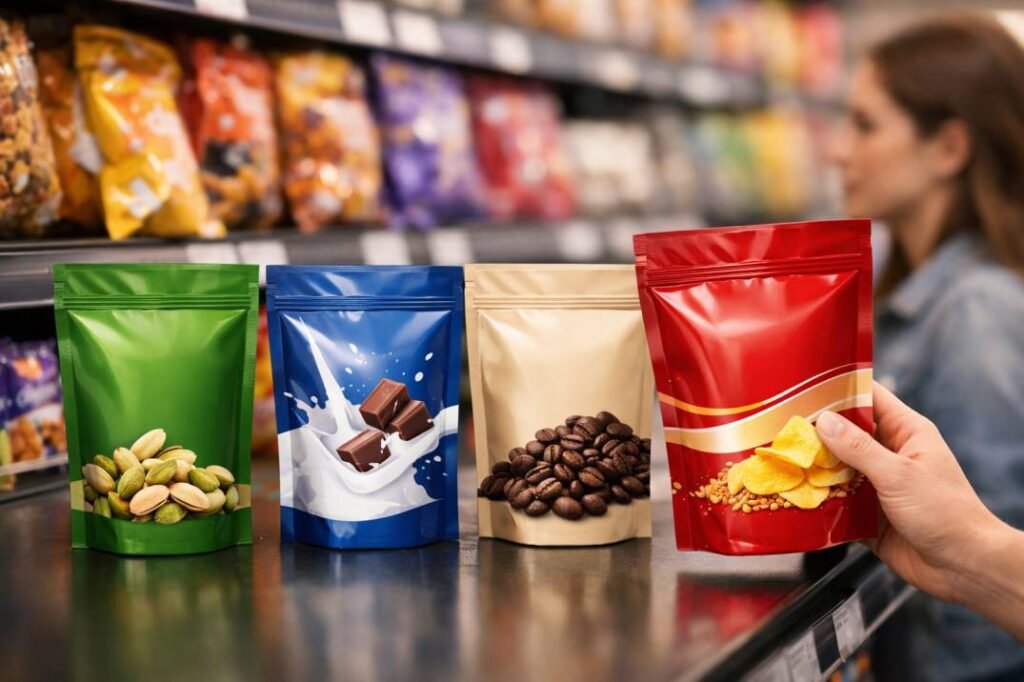
The importance of packaging in marketing begins the moment a consumer notices a product in a retail aisle or online listing. Visual hierarchy, structure, and material quality create an instant perception of value. That perception often determines whether a customer explores further or moves on.
The importance of packaging design lies in balancing clarity with visual impact. A well-structured center seal gusset pouch improves front-facing visibility while maintaining space efficiency on shelves.
When first impressions are strong, brands reduce buyer hesitation and increase the likelihood of conversion. Effective packaging turns attention into engagement and engagement into measurable sales growth.
2. Brand Recognition Builds Long-Term Trust
The role of packaging in branding becomes evident when customers recognise a product without actively searching for it. Consistent structural formats, colours, and typography create familiarity across multiple purchase cycles. Familiarity simplifies decision-making in competitive categories.
Using a structured format such as a corner spout pouch consistently across variants reinforces visual continuity. This repetition strengthens memory association and improves recall speed.
Over time, consistent packaging reduces marketing dependency because recognition itself drives purchase behaviour. Trust built through familiarity supports long-term brand equity.
3. Differentiation Creates Competitive Advantage
The importance of packaging in marketing is strongly reflected in how effectively a product stands apart from competitors. Packaging provides an opportunity to communicate quality, innovation, and positioning before the product is even tested. Structural uniqueness influences perceived brand value.
Formats like a 4 side seal pouch project precision and controlled presentation. Clean sealing and defined edges communicate professionalism and reliability.
Differentiation at the packaging level reduces price-based competition. When a product appears premium, customers evaluate it based on value rather than cost alone.
4. Protection Preserves Brand Reputation
The role of packaging in marketing extends beyond visibility into functional reliability. A damaged or leaking product directly harms brand credibility and customer trust. Protective packaging safeguards not only the product but also the brand promise.
Stable and load-supportive formats such as a flat bottom pouch enhance storage strength and barrier protection. Structural integrity ensures that the product reaches consumers in optimal condition.
Consistent protection builds confidence across distribution channels. When customers receive a flawless product experience, brand loyalty strengthens naturally.
5. Convenience Improves Customer Experience
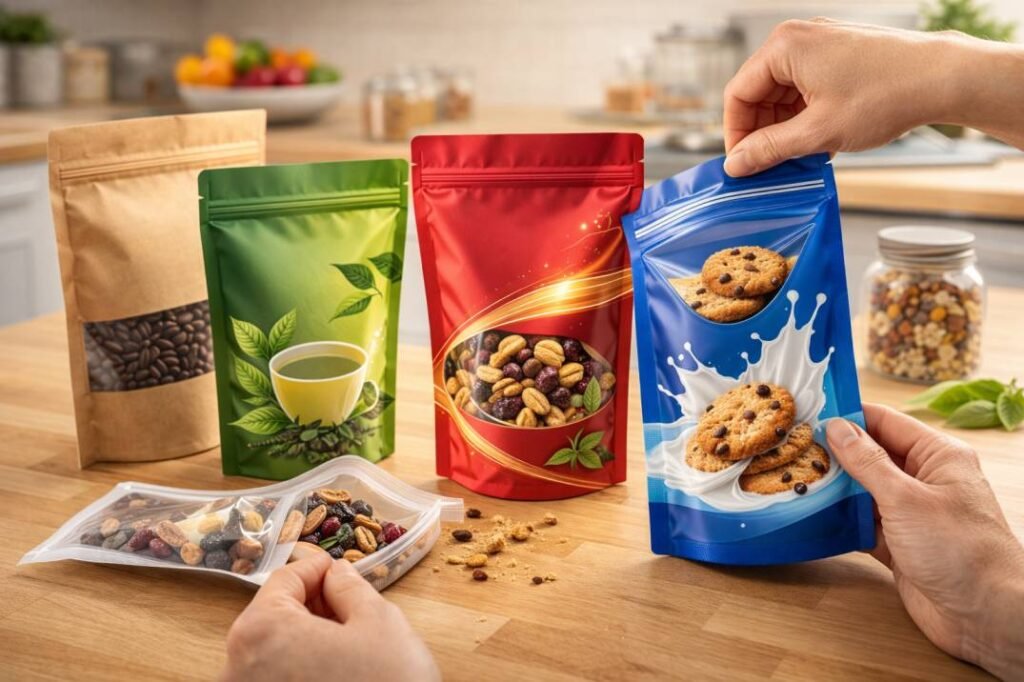
Modern consumers value ease of use as much as product quality. Packaging that simplifies opening, resealing, storage, and handling directly improves daily usability. Convenience reduces friction and increases satisfaction after purchase.
Formats such as a zipper lock pouch enhance product freshness while allowing repeated access without damage. Functional design elements contribute to both practicality and product longevity.
When convenience becomes part of the product experience, customers are more likely to repurchase. Positive usability strengthens overall brand perception and long-term loyalty.
6. Shelf Visibility Drives Market Performance
The importance of packaging in marketing becomes highly visible in competitive retail environments. Products often compete within limited shelf space where attention spans are extremely short. Structural presence and upright stability improve visibility.
Designs like a 2 side gusset pouch maximise vertical display area while maintaining storage efficiency. Better structural alignment improves front-facing brand exposure.
Improved shelf impact increases product discovery and impulse purchases. Visibility directly contributes to stronger retail performance and sales growth.
7. Packaging Communicates Brand Values Clearly
The role of packaging in branding extends into communication strategy. Packaging conveys quality standards, sustainability efforts, and brand personality without requiring direct advertising. Every design element sends a message.
Material choices and print clarity demonstrate the importance of packaging design in shaping perception. Structural precision reflects attention to detail and operational credibility.
When packaging communicates transparency and professionalism, consumer confidence increases. Clear communication strengthens trust before the product is even used.
8. Perceived Value Influences Pricing Power
The importance of packaging in marketing directly affects how consumers evaluate product value. Premium packaging elevates perception even when the core product remains unchanged. Presentation shapes willingness to pay.
Strong structural design improves tactile feel and visual appeal, reinforcing quality cues. Professional finishing enhances the perceived reliability of the brand.
Higher perceived value reduces sensitivity to price competition. Brands with strong packaging positioning can maintain healthier margins and stronger market positioning.
9. Packaging Supports Marketing Campaign Integration
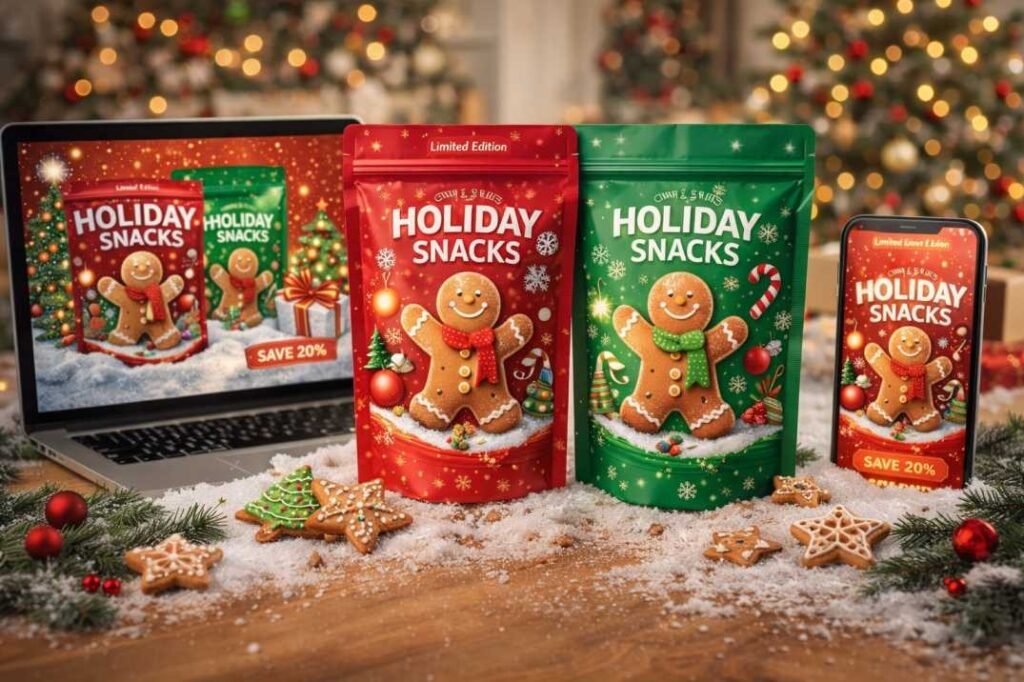
The role of packaging in marketing becomes strategic when it aligns with advertising and promotional campaigns. Packaging acts as a permanent brand asset that reinforces messaging beyond digital or print ads. Consistency between campaign visuals and packaging strengthens recall.
Seasonal updates, limited editions, and design adaptations demonstrate the importance of packaging design in maintaining relevance. Structured flexibility allows brands to refresh communication without altering core identity.
When packaging and marketing campaigns work together, brand storytelling becomes cohesive. Integrated presentation improves recognition across retail and digital platforms.
10. Structural Efficiency Improves Distribution Performance
The importance of packaging in marketing is also reflected in supply chain efficiency. Poor structural design increases damage rates, storage costs, and logistical complexity. Efficient packaging protects margins while supporting consistent brand delivery.
Optimised formats enhance stacking, transportation, and warehouse management. Structural precision ensures products reach retailers in ideal condition.
Reliable distribution performance strengthens retailer relationships. Strong operational packaging ultimately contributes to sustainable brand growth.
11. Sustainability Strengthens Modern Brand Positioning
The role of packaging in branding increasingly connects with environmental responsibility. Consumers now evaluate brands based on material choices and waste reduction efforts. Sustainable decisions influence brand preference.
Understanding what is flexible-packaging-material helps businesses adopt lighter, recyclable, or mono-material solutions. Responsible material innovation supports long-term credibility.
Sustainability-driven packaging enhances brand trust in conscious markets. Environmentally aligned decisions improve both reputation and competitive positioning.
12. Packaging Encourages Repeat Purchases
The importance of packaging in marketing ultimately reflects in customer retention. Positive opening experience, ease of storage, and consistent quality all influence repurchase behaviour. Packaging contributes to overall product satisfaction.
Brands exploring flexible packaging products often focus on improving user interaction and structural reliability. Improved usability strengthens consumer confidence over multiple purchase cycles.
When packaging consistently delivers convenience and quality, repeat buying becomes habitual. Long-term retention supports predictable and scalable brand growth.
Packaging as a Revenue Growth Driver
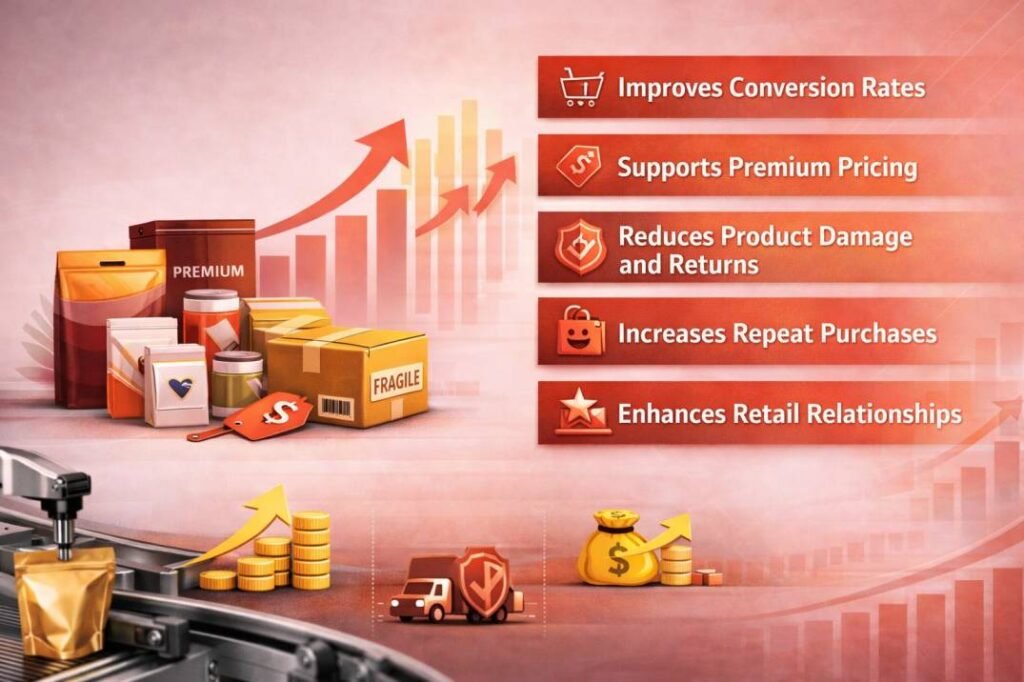
Packaging is not just a protective layer; it directly influences financial performance. Brands that treat packaging as a strategic investment often see measurable improvements in conversion, retention, and pricing power.
The importance of packaging in marketing becomes visible when revenue impact is analysed beyond aesthetics. Structural quality and functional efficiency contribute to both top-line growth and operational stability.
Well-designed packaging supports marketing, distribution, and consumer experience simultaneously.
Strong packaging contributes to revenue growth in multiple ways:
Improves Conversion Rates
Clear structure and strong visual presentation attract attention faster. Products that stand out on shelves convert browsing into buying more effectively.
Supports Premium Pricing
The importance of packaging design is evident when customers associate structural precision with higher quality. Elevated presentation reduces price sensitivity.
Reduces Product Damage and Returns
Durable materials and secure sealing prevent leakage and contamination. Lower return rates protect margins and brand reputation.
Increases Repeat Purchases
Convenient formats improve usability and freshness retention. Positive product interaction encourages long-term loyalty.
Enhances Retail Relationships
Efficient stacking and transport-friendly designs improve supply chain performance. Retailers prefer brands that minimise storage and handling complications.
When packaging aligns with revenue strategy, it becomes a scalable growth asset. Businesses that invest in structural precision and print consistency gain competitive financial advantages over time.
Many companies research the best flexible packaging manufacturers to ensure scalable production and consistent print quality.
Strategic Importance of Packaging Design in Competitive Markets
In saturated markets, packaging becomes a strategic differentiator rather than just a protective layer. When products offer similar features and pricing, design and structure often determine final purchase decisions.
The importance of packaging in marketing grows stronger in competitive environments where visibility, usability, and perception directly influence brand preference.
1. Structural Innovation Creates Market Differentiation
Innovative packaging structures help brands stand out instantly on crowded shelves. Unique formats improve product handling, storage efficiency, and visual recognition. Structural differentiation strengthens first impressions and reinforces the importance of packaging in marketing.
The importance of packaging design lies in combining creativity with manufacturing practicality. Innovation must enhance usability while maintaining production consistency.
Strategic structural upgrades help brands break visual monotony in competitive retail spaces.
- Enhances shelf visibility through unique format presence
- Improves functional convenience for consumers
- Builds stronger first-impression impact
2. Functional Efficiency Improves Competitive Strength
Packaging must perform smoothly across supply chains and retail systems. Efficient designs reduce storage space, lower transportation costs, and minimise damage during handling. Operational reliability strengthens brand consistency.
The role of packaging in marketing extends beyond aesthetics into performance efficiency. Strong functionality supports long-term scalability.
When structure performs efficiently, it protects both margins and reputation.
- Reduces logistics and warehousing costs
- Minimises product damage and leakage
- Improves retailer confidence and distribution stability
3. Material Strategy Influences Brand Positioning
Material selection directly impacts durability, sustainability, and perceived value. Lightweight flexible materials provide strong barrier protection while improving efficiency, reinforcing the importance of packaging in marketing.
Understanding the benefits of flexible packaging over rigid containers helps businesses evaluate cost-effectiveness and environmental impact. Strategic material choice enhances credibility.
Material clarity and strength influence both safety perception and quality judgment.
- Supports sustainable positioning goals
- Improves cost-to-performance balance
- Strengthens premium quality perception
4. Visual Differentiation Strengthens Recall
Strong colour systems and clean layout hierarchy guide consumer attention effectively. Visual clarity improves recognition across product variants. Consistent branding reduces confusion and increases recall.
The importance of packaging in marketing becomes visible when consumers identify a product instantly without reading labels. Visual systems create memory shortcuts.
Memorable packaging strengthens long-term brand equity.
- Increases brand recognition speed
- Improves shelf standout in crowded categories
- Supports cohesive product line identity
To explore structural options in depth, brands often review different types of packaging pouches before finalizing format decisions.
Packaging in E-Commerce and Modern Retail Environments
With the rapid growth of online shopping and modern retail formats, packaging now performs beyond traditional shelf visibility. The importance of packaging in marketing extends into logistics durability, digital presentation, and customer experience. In e-commerce and organised retail systems, packaging must deliver performance, efficiency, and visual impact simultaneously. Key strategic roles include:
- Ensuring transit durability to prevent product damage during multi-stage shipping
- Reducing return rates and protecting brand reputation through secure sealing and strong barrier protection
- Creating a memorable unboxing experience that enhances perceived value
- Strengthening emotional engagement and encouraging repeat purchases
- Improving visual clarity in online product thumbnails and digital listings
- Supporting higher click-through and conversion rates in marketplaces
- Maximising shelf utilisation in compact modern retail environments
- Enabling organised stacking and better inventory management
Future Trends Shaping the Role of Packaging in Marketing
Packaging strategies are continuously evolving as brands adapt to sustainability demands, digital commerce, and changing consumer expectations. The importance of packaging in marketing will continue to grow as innovation and responsibility become central competitive factors.
Many of these shifts are also reflected in 10 Latest Food Packaging Trends in 2026, where sustainability, smart functionality, and design efficiency are shaping the next phase of industry transformation. Future-focused developments include:
- Sustainable material adoption
- Recyclable mono-material structures
- Smart packaging integration
- Lightweight flexible formats
- Minimalist food packaging design
- Advanced barrier technologies
- Personalised packaging solutions
- E-commerce optimised visuals
Final Thoughts
The importance of packaging in marketing extends far beyond protection. It shapes first impressions, communicates brand positioning, and directly influences purchase decisions across both retail shelves and digital marketplaces. A well-designed pack acts as a silent salesperson, guiding consumers even before they read product details.
As competition increases, brands that align structure, material, and visual communication gain stronger recognition and trust. Strategic packaging creates consistency across touchpoints, improves user experience, and strengthens perceived value without relying only on advertising.
Ultimately, packaging is no longer an operational expense – it is a marketing investment. Companies that treat packaging as part of brand strategy build deeper customer loyalty, better recall, and long-term market differentiation.
Frequently Asked Questions (FAQs)
1. Why is packaging important in branding?
Packaging shapes first impressions and builds brand recognition. Strong food packaging design communicates quality, values, and differentiation. As seen in 10 Latest Food Packaging Trends in 2026, brands now combine sustainable packaging trends with innovative visuals to strengthen identity and consumer trust.
2. What is the importance of branding in marketing?
Branding builds credibility and long-term loyalty. Packaging supports branding by translating strategy into physical structure, color, and messaging. The importance of packaging in marketing becomes evident when consistent design and innovative packaging technology reinforce brand positioning across retail and e-commerce.
3. What is the role of packaging in the market?
Packaging protects products, improves shelf visibility, and influences buying decisions. Modern flexible formats and smart food packaging solutions enhance usability, safety, and storage efficiency while increasing perceived value in competitive markets.
4. How do sustainable packaging trends benefit businesses?
Sustainable packaging trends reduce material usage, support recyclability, and appeal to eco-conscious consumers. Businesses working with experienced manufacturers like White Lotus Industries can align structural precision with sustainability goals to improve both brand image and operational efficiency.
5. How do intelligent packaging solutions improve product safety?
Intelligent packaging solutions strengthen food safety packaging through advanced barrier technologies and freshness monitoring. By adopting innovative packaging technology, brands can extend shelf life and enhance consumer confidence.