
Sustainable packaging has become one of the most important topics in modern business as we move into 2026. With growing environmental awareness, brands across every industry are shifting toward packaging solutions that reduce waste, lower carbon emissions, and support a circular economy. But what is sustainable packaging, and why is it becoming essential for businesses and consumers?
In simple words, sustainable packaging refers to materials and designs that have minimal environmental impact throughout their entire lifecycle—from manufacturing to transportation, usage, and disposal. It includes eco-friendly materials like biodegradable plastics, recycled paper, compostable containers, plant-based packaging, and smart reusable systems. As global regulations tighten and customers demand greener products, adopting sustainable packaging is no longer optional—it’s a strategic advantage for long-term business growth.
In this complete guide for 2026, we will explore how sustainable packaging works, its types, benefits, real-world examples, and how brands can implement it efficiently. Following Google EEAT principles, this guide offers expert insights, trustworthy information, and up-to-date industry practices to help you make informed decisions. Whether you’re a business owner, marketer, student, or eco-conscious consumer, this guide will give you a clear understanding of how sustainable packaging is shaping the future of responsible product delivery.
What is Sustainable Packaging?
Understanding what is sustainable packaging is essential for any brand planning to grow responsibly in 2026. It refers to packaging materials and designs that reduce environmental harm throughout their entire lifecycle—production, transportation, usage, and disposal. Sustainable packaging focuses on lowering carbon emissions, using recyclable or biodegradable materials, and supporting long-term environmental protection.
Today, both large and small businesses are actively exploring eco-friendly options to replace plastic-heavy and wasteful packaging. From recycled paper to plant-based polymers, sustainable packaging helps reduce pollution while improving a brand’s image. Companies offering greener solutions, including every Flexible Laminates & Pouches Manufacturer in India, are also adopting smarter technologies to support this global shift.
Why Businesses and Consumers Are Shifting Toward Eco-Friendly Packaging
The rise in awareness about what is sustainable packaging is encouraging both businesses and consumers to make smarter choices. Eco-friendly packaging is preferred because:
- It reduces long-term environmental damage
- It helps brands meet new government regulations
- It increases customer trust and brand credibility
- It lowers waste management costs
- It supports a circular economy
Customers today want brands that protect nature, and businesses understand that adopting sustainable packaging also improves market reputation and product appeal.
Environmental Problems Caused by Traditional Packaging
Traditional packaging materials—especially single-use plastics—create major environmental challenges. When we look at what is sustainable packaging, it becomes clear why older packaging methods are harmful. Conventional packaging leads to:
- Massive landfill waste due to non-biodegradable plastics
- Soil and water pollution that affects humans and wildlife
- High carbon footprint during production and disposal
- Increased greenhouse gas emissions
- Long-term microplastic accumulation
These issues highlight why the world is moving toward cleaner, sustainable alternatives that protect the environment while meeting modern packaging needs.
What Are the Main Goals of Sustainable Packaging?
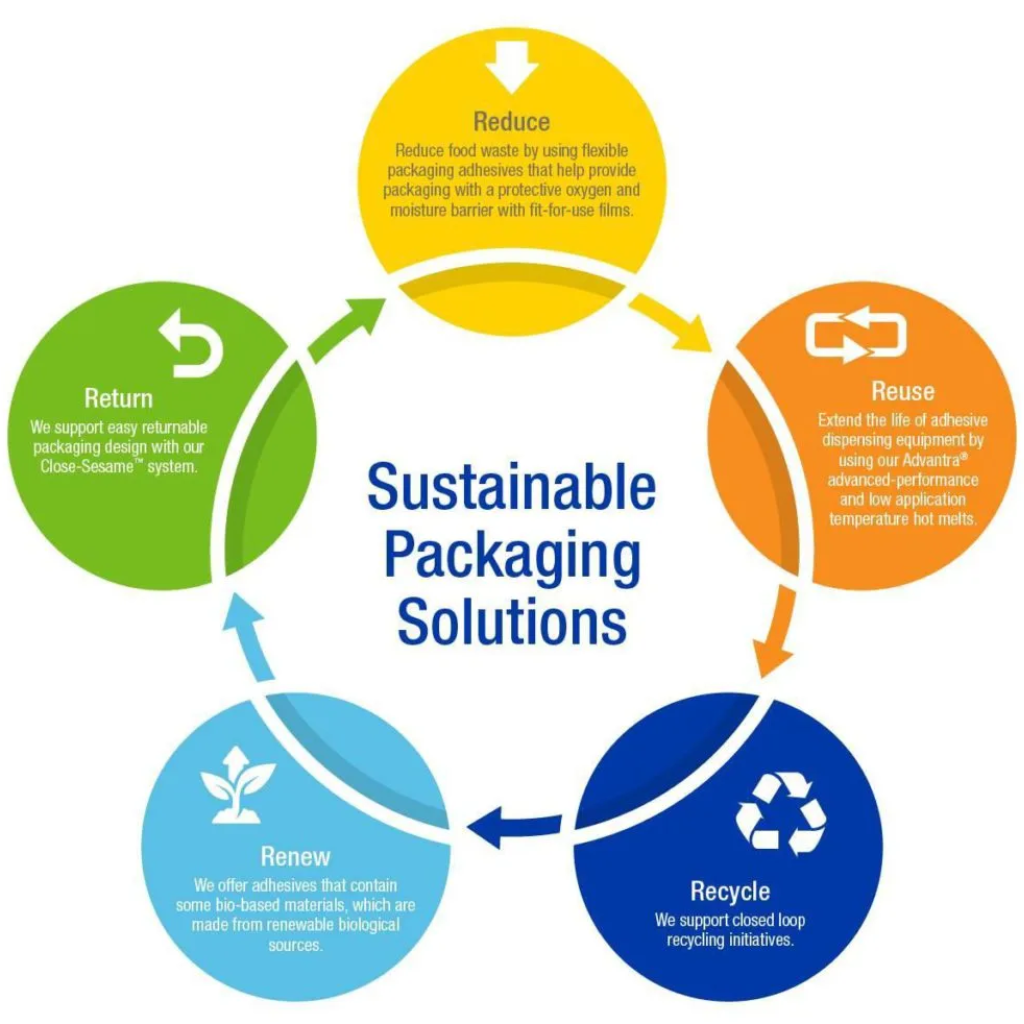
The Main Goals of Sustainable Packaging focus on reducing environmental harm while still protecting products effectively. Sustainable packaging aims to lower waste, cut carbon emissions, and encourage the use of eco-friendly materials. Businesses today understand that packaging is not just about appearance—it is about responsibility. By adopting sustainability, brands improve customer trust, meet global regulations, and reduce long-term operating costs. Even a leading soup packaging manufacturer in India now prioritises sustainable materials to support environmental protection. These goals help build a packaging system that benefits both businesses and the planet.
Reducing Waste and Carbon Emissions
One of the Main Goals of Sustainable Packaging is to reduce waste and carbon emissions throughout the product lifecycle. Traditional packaging contributes heavily to landfills and pollution, but sustainable alternatives use fewer resources and generate less CO₂ during manufacturing.
Key improvements include:
- Lower energy consumption during production
- Fewer single-use plastics
- Reduced transportation emissions due to lightweight materials
By focusing on these goals, brands help protect natural resources and support global climate efforts.
Reducing Waste and Carbon Emissions
Another important part of the Main Goals of Sustainable Packaging is encouraging the use of materials that can be recycled or reused. Recyclable packaging reduces landfill pressure, while reusable solutions extend material life and cut waste. Many companies are adopting:
- Recycled paper and cardboard
- Compostable films
- Reusable glass or metal containers
These choices make packaging safer for the environment and help consumers take part in responsible disposal practices.
Supporting Circular Economy and Eco-Design
A major element in the Main Goals of Sustainable Packaging is supporting the circular economy. This model ensures materials stay in use for as long as possible through recycling, reprocessing, and eco-friendly design. Eco-design focuses on:
- Using fewer raw materials
- Creating packaging that is easy to recycle
- Minimizing waste at every stage
This approach promotes long-term sustainability and encourages brands to rethink packaging with a planet-first mindset.
Types of Sustainable Packaging Materials
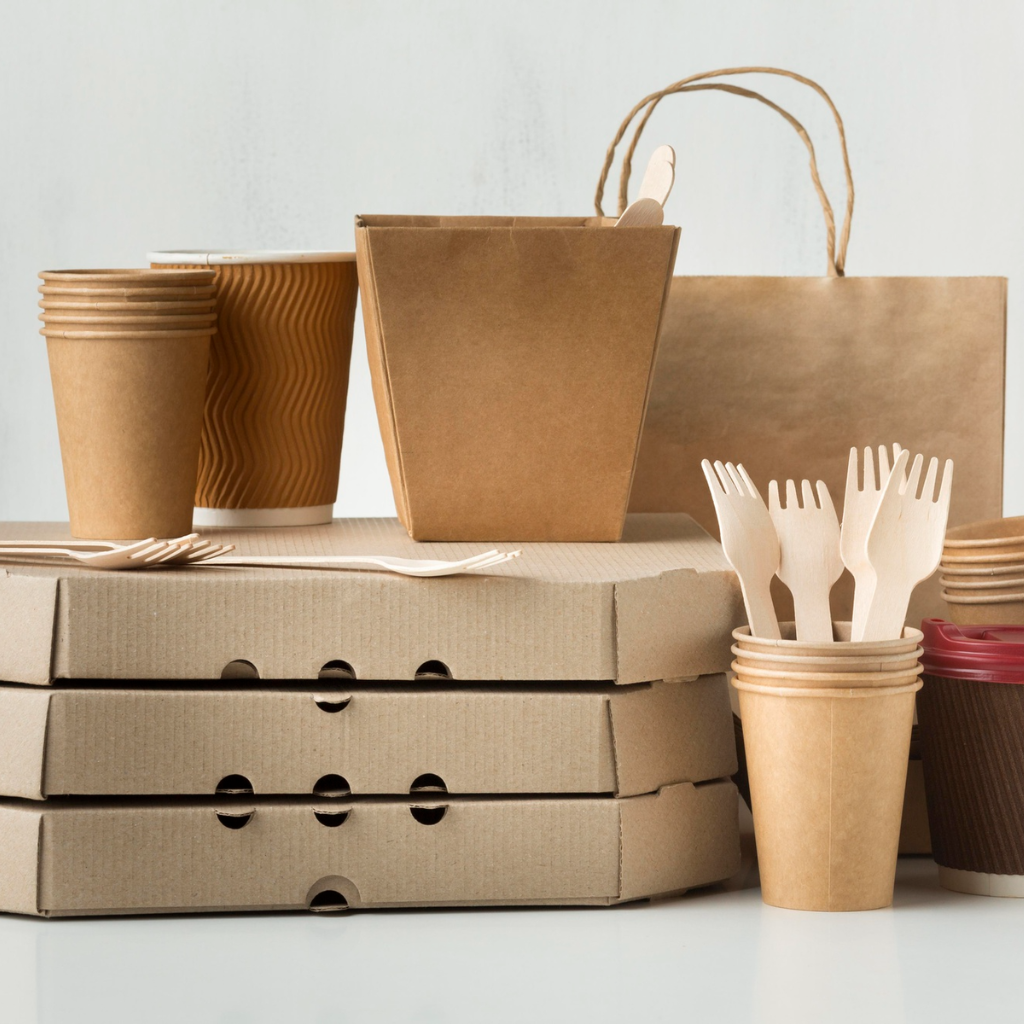
Understanding the Types of Sustainable Packaging Materials helps businesses choose eco-friendly solutions that reduce waste and support long-term environmental health. These materials are designed to be recyclable, biodegradable, reusable, or sourced from renewable resources. Many industries—from food to cosmetics—are adopting smarter packaging options, and even a leading Makhana packaging manufacturer in India is now shifting toward greener materials. These sustainable choices improve product safety while lowering carbon impact.
1.Recycled Paper and Cardboard
Recycled paper and cardboard remain some of the most widely used Types of Sustainable Packaging Materials. They are cost-effective, easy to recycle, and require less energy to produce compared to new paper.
Businesses prefer recycled paper because:
- It reduces pressure on forests
- It decomposes naturally without harming the environment
It is suitable for shipping boxes, cartons, and food packaging. This material supports circular recycling systems and offers excellent printability for branding.
2.Bioplastics and Compostable Polymers
Bioplastics are an essential part of the modern Types of Sustainable Packaging Materials because they are made from renewable sources instead of petroleum. Compostable polymers break down naturally, making them ideal for food packaging, bags, and disposable items.
They provide benefits such as:
- Lower carbon footprint
- Faster decomposition under composting conditions
Safer alternatives to single-use plastics
These materials help businesses meet sustainability targets without compromising strength or product protection.
3.Plant-Based Materials (Cornstarch, Bamboo, Sugarcane)
Plant-based options are becoming popular in the list of Types of Sustainable Packaging Materials because they are biodegradable and sourced from fast-growing, renewable plants.
Common plant-based options include:
- Cornstarch: Strong, compostable, ideal for containers
- Bamboo: Durable, lightweight, great for trays and cutlery
Sugarcane (Bagasse): Heat-resistant, widely used for food boxes
These materials offer natural strength and help reduce plastic dependency.
4.Reusable Containers and Glass Packaging
Reusable and glass packaging are long-term choices in the Types of Sustainable Packaging Materials, known for durability and premium product presentation. Glass can be recycled endlessly without losing quality, making it one of the most sustainable options available.
Benefits include:
- High reusability
- Zero chemical leaching
- Strong customer appeal and long life
Reusable stainless steel, jars, and glass bottles help businesses reduce waste while offering a premium, eco-conscious packaging experience.
How Does Sustainable Packaging Help the Environment?
Understanding How Does Sustainable Packaging Help the Environment? is essential for every business working toward greener operations. Sustainable packaging reduces waste, lowers carbon emissions, and promotes the use of renewable materials that are safer for the planet. By shifting away from traditional plastics and adopting eco-friendly designs, companies can protect natural resources and build a cleaner, healthier future. Even a modern juice packaging manufacturer in India now focuses on sustainable solutions to support environmental responsibility. These benefits make sustainable packaging an important part of global climate action.
1.Lowering Pollution and Landfill Waste
A major reason behind How Does Sustainable Packaging Help the Environment? is its ability to reduce pollution and landfill waste. Traditional packaging—especially plastic—takes hundreds of years to decompose, causing long-term environmental harm.
Sustainable packaging reduces this impact by:
- Using biodegradable or compostable materials
- Cutting down single-use plastics
Preventing ocean and soil contamination
By lowering waste, it helps create cleaner surroundings and healthier ecosystems.
2.Saving Natural Resources and Energy
Another key point in How Does Sustainable Packaging Help the Environment? is its role in conserving natural resources and energy. Sustainable materials often use recycled content or renewable resources, which require less energy to produce.
This approach helps by:
- Reducing the need for fresh raw materials
- Using energy-efficient production methods
Lowering greenhouse gas emissions
These advantages support global sustainability goals and reduce environmental pressure.
3. Reducing Plastic Dependency Globally
A crucial part of How Does Sustainable Packaging Help the Environment? is reducing global dependency on harmful plastic. Excess plastic pollution affects oceans, animals, and human health. Sustainable packaging offers safer alternatives such as plant-based, biodegradable, and reusable materials.
Key benefits include:
- Fewer plastic products entering landfills
- Improved recycling rates
Reduced microplastic pollution
By cutting plastic usage, sustainable packaging supports a healthier planet for future generations.
What Are the Benefits of Sustainable Packaging?
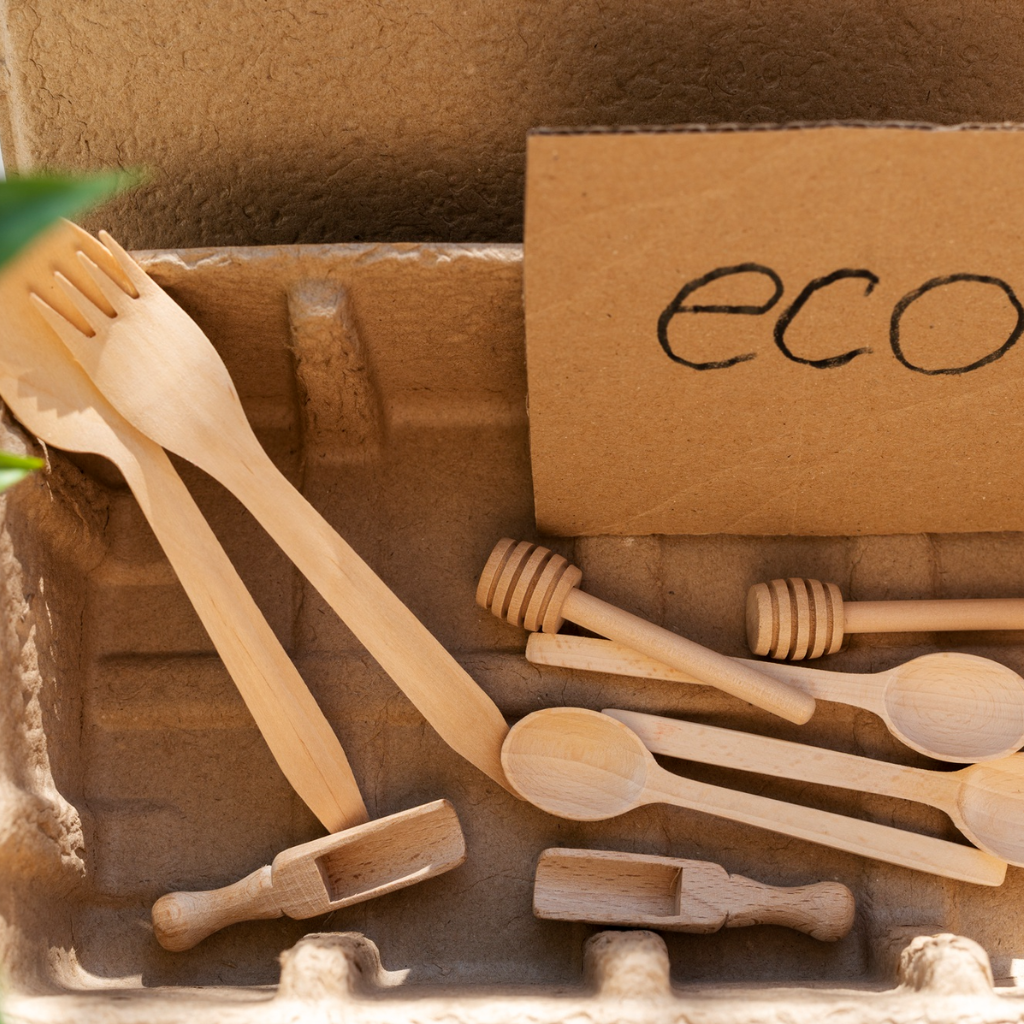
Understanding the Benefits of Sustainable Packaging? is important for any business wanting to grow responsibly in today’s eco-focused market. Sustainable packaging helps reduce environmental damage while improving the overall value of a product. It supports long-term brand growth, lowers waste, and enhances customer trust. Even a leading Mayonnaise packaging manufacturer in India is adopting sustainable solutions to meet rising market expectations. These benefits make sustainable packaging a smart and effective choice for businesses across industries.
Improved Brand Image and Customer Trust
One of the major Benefits of Sustainable Packaging? is the positive impact it creates on brand image. Customers today prefer brands that care about the planet and choose packaging that reflects environmental responsibility.
Key advantages include:
- Stronger brand identity
- Higher customer confidence
Better product value perception
When brands adopt eco-friendly packaging, they stand out as ethical, modern, and trustworthy.
Compliance With Global Environmental Standards
Another important point in the Benefits of Sustainable Packaging? is that it helps companies meet global environmental rules and sustainability guidelines. Many countries now require businesses to reduce plastic usage and adopt safer materials.
Sustainable packaging supports:
- Faster regulatory approvals
- Alignment with international green policies
Reduced legal or compliance risks
This compliance helps companies operate smoothly and maintain a responsible global presence.
Customer Loyalty and Positive Reputation
A strong part of the Benefits of Sustainable Packaging? is its influence on customer loyalty. When customers see that a brand uses eco-friendly packaging, they feel more connected to the company’s values.
It helps businesses achieve:
- Repeat purchases from eco-conscious customers
- Higher brand reputation
- Positive word-of-mouth and social media engagement
Sustainable packaging creates long-term goodwill and builds loyal customer communities.
Conclusion
Sustainable packaging is no longer just an industry trend—it is a responsibility that every modern business must take seriously. Throughout this guide, we explored what sustainable packaging means, the Main Goals of Sustainable Packaging, the Types of Sustainable Packaging Materials available, and How Sustainable Packaging Helps the Environment. We also discussed the key Benefits of Sustainable Packaging?, showing how it improves brand trust, supports global standards, and strengthens customer loyalty.
As consumers demand greener products and governments introduce stricter rules, choosing sustainable packaging is becoming essential for long-term success. Whether it’s recycled materials, plant-based polymers, reusable containers, or eco-designed solutions, each choice reduces environmental impact and supports a healthier planet. Businesses that adopt sustainable packaging early not only protect the environment but also build a strong, future-ready brand.
By embracing sustainability today, companies can deliver products responsibly, reduce waste, and create meaningful value for both customers and the world. Sustainable packaging is the path forward—one that leads to cleaner communities, smarter resource use, and a more positive global future. Let your brand be part of this change and contribute to a greener, more sustainable tomorrow.