Sustainability is no longer a brand choice—it’s a customer expectation.
Consumers today don’t just buy products—they buy the values behind them. Whether it’s food, cosmetics, pharmaceuticals, or e-commerce, buyers are paying closer attention to how products are packaged. In fact, many customers are willing to switch brands if they believe another company offers more sustainable packaging.
This shift is encouraging businesses to rethink their packaging strategies. Companies are replacing excessive plastic with recyclable materials, lightweight flexible packaging, compostable alternatives, and innovative designs that reduce waste without compromising product protection.
As environmental awareness grows, businesses are actively searching for eco friendly packaging examples that not only reduce their environmental impact but also improve customer trust and brand perception. Sustainable packaging has become a competitive advantage rather than simply a compliance requirement.
In this guide, we’ll explore the latest packaging trends, practical packaging ideas, and real-world examples that leading brands are adopting in 2026 to stay ahead of changing consumer expectations.
What Is Eco-Friendly Packaging?
Eco-friendly packaging refers to packaging that minimizes environmental impact throughout its lifecycle—from manufacturing and transportation to disposal or recycling.
Unlike conventional packaging, sustainable packaging focuses on reducing waste, conserving natural resources, and supporting a circular economy.
A well-designed eco-friendly package should aim to:
- Use fewer raw materials
- Reduce plastic consumption
- Be recyclable, reusable, or compostable
- Protect products effectively
- Lower transportation emissions
- Support responsible disposal
However, sustainability isn’t only about the material itself.
Packaging size, weight, printing methods, transportation efficiency, and manufacturing processes all contribute to a package’s overall environmental footprint.
For modern businesses, investing in eco friendly packaging design means balancing sustainability with product protection, branding, and customer experience.
Why Brands Are Switching to Sustainable Packaging in 2026
The packaging industry has changed significantly over the past few years.
Previously, businesses focused mainly on cost and visual appeal. Today, sustainability has become equally important because consumers, retailers, and governments expect brands to reduce packaging waste.
Several key factors are driving this transition.
1. Consumers Prefer Sustainable Brands
Modern consumers are becoming increasingly environmentally conscious.
Many shoppers now consider packaging before making a purchase. Clean, recyclable, and responsibly designed packaging creates positive first impressions and strengthens customer trust.
When customers see sustainable packaging, they often associate it with:
- Better product quality
- Responsible manufacturing
- Higher brand credibility
- Long-term commitment to sustainability
These perceptions directly influence buying decisions.
2. Businesses Want to Reduce Packaging Waste
Reducing unnecessary packaging isn’t just good for the environment—it also makes financial sense.
Lighter packaging often means:
- Lower transportation costs
- Reduced storage space
- Improved shipping efficiency
- Lower material expenses
Flexible packaging has become especially popular because it delivers strong product protection while using significantly less material than many rigid packaging formats.
3. Government Regulations Continue to Evolve
Countries worldwide are introducing stricter sustainability regulations.
Businesses are preparing by adopting recyclable materials, reducing single-use plastics, and investing in environmentally responsible packaging solutions before new regulations become mandatory.
Early adoption also helps brands position themselves as industry leaders.
4. Sustainability Improves Brand Reputation
Consumers remember brands that demonstrate genuine environmental responsibility.
A thoughtful eco friendly packaging design communicates that a company values both product quality and environmental stewardship.
This strengthens customer loyalty and encourages repeat purchases.
Instead of viewing sustainable packaging as an expense, many businesses now see it as a long-term investment in brand growth.
Top Eco Friendly Packaging Examples Used by Leading Brands
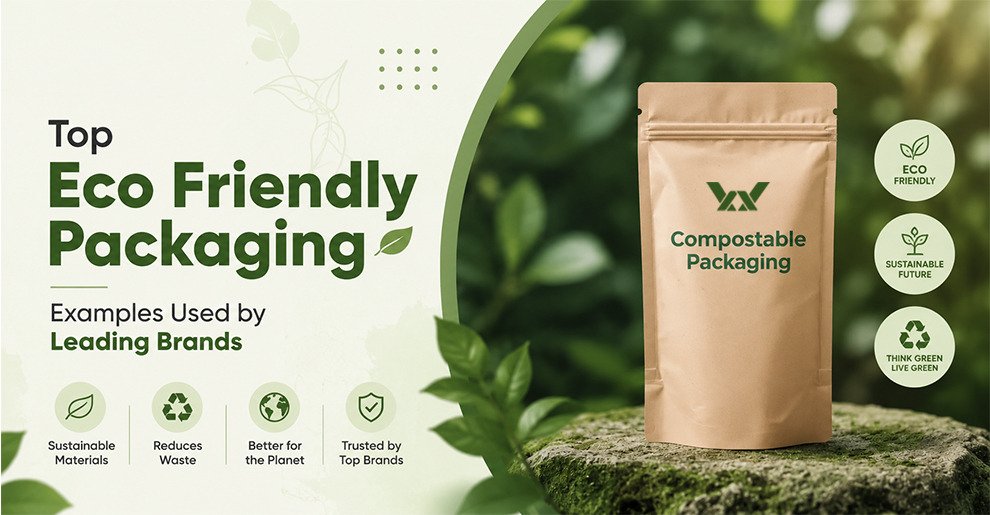
Businesses across industries are adopting innovative packaging solutions that reduce waste while improving customer experience.
Below are some of the most effective eco friendly packaging examples gaining popularity in 2026.
1. Recyclable Flexible Packaging
Flexible packaging has become one of the fastest-growing sustainable packaging formats.
Compared with rigid packaging, flexible pouches often require significantly less raw material while maintaining excellent barrier protection.
Modern recyclable flexible pouches are now being used for:
- Snacks
- Coffee
- Dry fruits
- Pet food
- Frozen foods
- Health supplements
Their lightweight design also reduces fuel consumption during transportation.
2. Mono-Material Packaging
Traditional packaging often combines multiple materials, making recycling difficult.
Mono-material packaging solves this problem by using a single recyclable material while maintaining product protection.
This simplifies recycling and supports circular packaging systems.
Many FMCG brands are actively investing in mono-material flexible packaging to improve recyclability without sacrificing performance.
3. Compostable Packaging
Some businesses are introducing compostable packaging made from renewable resources.
These materials naturally break down under appropriate composting conditions, helping reduce landfill waste.
Compostable packaging is increasingly being used for:
- Organic food
- Fresh produce
- Takeaway packaging
- Bakery products
Although compostable materials aren’t suitable for every application, they represent an important innovation in sustainable packaging.
4. Paper-Based Packaging Solutions
Paper continues to be one of the most recognizable sustainable packaging materials.
Advancements in barrier coatings now allow paper packaging to offer improved moisture resistance while remaining recyclable.
Many premium food and lifestyle brands combine paper with minimalist branding to create packaging that feels both environmentally responsible and visually appealing.
Businesses looking for creative eco friendly wrapping paper ideas are increasingly choosing recycled kraft paper, soy-based inks, and plastic-free wrapping solutions to improve sustainability while enhancing brand presentation.
5. Recyclable Custom-Shaped Packaging
Consumers are naturally attracted to unique packaging that reflects a brand’s personality.
Today’s manufacturers are combining creativity with sustainability by developing recyclable custom-shaped pouches that improve shelf appeal while reducing unnecessary packaging materials.
For businesses exploring innovative packaging formats, Shaped Pouches provide an excellent example of how creative product presentation can work alongside sustainable packaging strategies.
Unlike conventional rectangular packaging, shaped pouches help products stand out while maintaining functionality and efficient material usage.
6. Packaging Designed for Recycling
One of the biggest trends in 2026 is designing packaging specifically for easier recycling.
Rather than focusing only on recyclable materials, companies are redesigning entire packaging systems to improve waste management.
Important considerations include:
- Easy-to-separate components
- Reduced material combinations
- Clear recycling instructions
- Simplified packaging structures
Businesses interested in selecting more sustainable materials can explore this Recyclable Packaging Materials Guide, which explains various recyclable packaging options and their practical applications.
Designing with recycling in mind helps businesses reduce environmental impact while meeting growing consumer expectations.
How Eco Friendly Packaging Design Builds Customer Trust
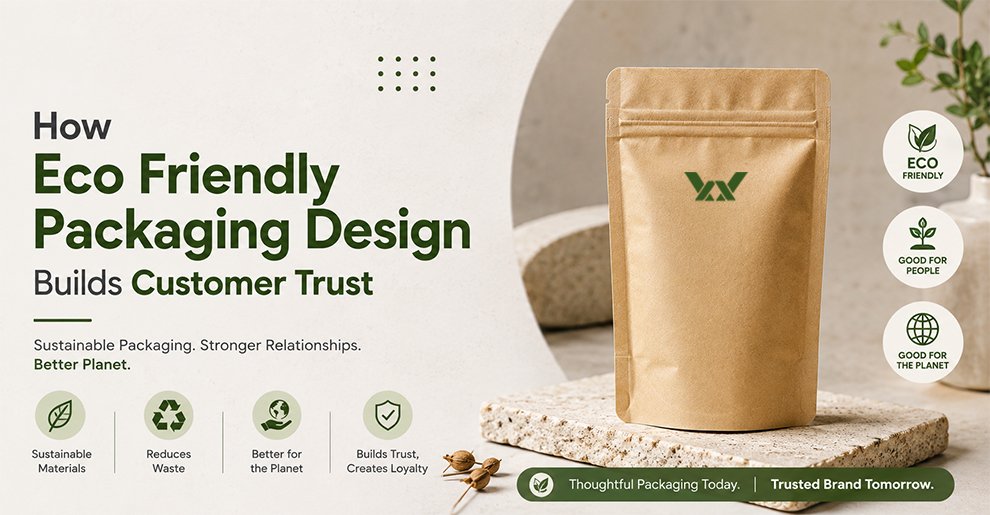
Customers often form an opinion about a product before they even read the label. Packaging is the first thing they see, and it strongly influences whether they believe a brand is reliable, premium, or environmentally responsible.
A thoughtful eco friendly packaging design does more than reduce waste—it communicates your brand values. Clean layouts, recyclable materials, and honest sustainability messaging create a positive first impression and help customers feel confident about their purchase.
Consumers today also expect transparency. Instead of vague claims like “green” or “eco-safe,” they appreciate brands that clearly explain the packaging material, recycling instructions, and sustainability efforts.
An effective sustainable package should:
- Protect the product without using excess material.
- Clearly communicate environmental benefits.
- Be easy to recycle or reuse.
- Reflect the brand’s commitment to sustainability.
- Offer a premium unboxing experience.
When packaging aligns with these expectations, it strengthens customer trust and encourages repeat purchases.
Best Eco Friendly Product Packaging Ideas for Modern Businesses
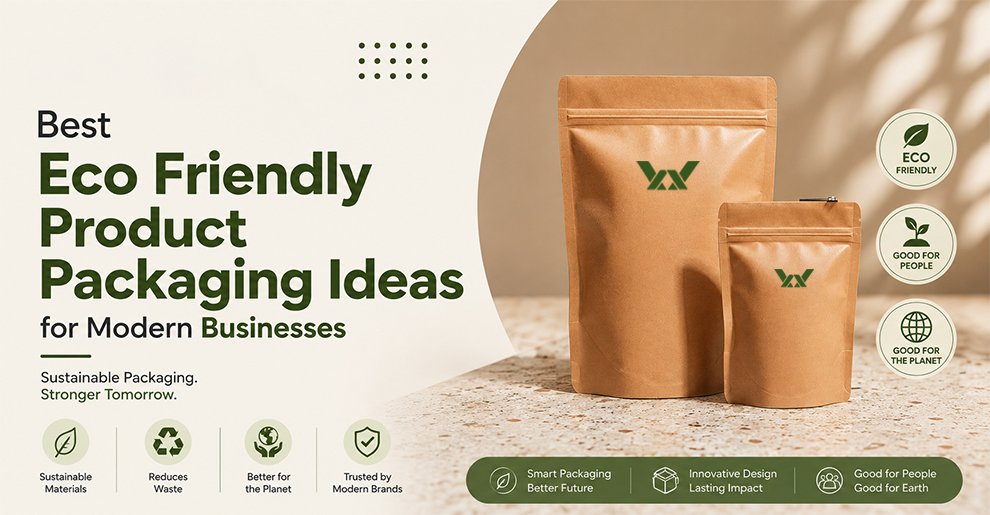
Every product has different packaging requirements, but the goal remains the same—protect the product while minimizing environmental impact.
Below are some practical eco friendly product packaging ideas that businesses across industries are adopting.
1. Lightweight Flexible Pouches
Flexible packaging uses less raw material than many rigid packaging formats while offering excellent protection against moisture, oxygen, and contaminants.
It is widely used for:
- Snacks
- Dry fruits
- Coffee
- Spices
- Pet food
- Health supplements
Because flexible pouches are lighter, they also reduce transportation costs and carbon emissions.
2. Refillable Packaging Systems
Many premium brands now encourage customers to purchase refill packs instead of buying a new container every time.
This approach:
- Reduces plastic consumption
- Builds customer loyalty
- Lowers packaging waste
- Encourages repeat purchases
Refill packaging has become especially popular in personal care, household products, and food categories.
3. Minimalist Packaging
Minimalism has become one of the strongest packaging trends in 2026.
Instead of covering every inch with graphics and text, brands are choosing:
- Clean typography
- Neutral colors
- Minimal printing
- Sustainable inks
- Simple branding
Minimalist packaging not only looks premium but also reduces unnecessary printing materials.
4. Packaging Made from Recycled Materials
Using recycled paper, recycled plastic, or recycled cardboard helps reduce dependence on virgin materials.
Many businesses now proudly display recycled content information on their packaging, helping environmentally conscious customers make informed buying decisions.
5. Smart Packaging That Educates Consumers
Modern sustainable packaging often includes QR codes that provide information about:
- Recycling instructions
- Packaging materials
- Sustainability initiatives
- Product sourcing
- Brand commitments
This improves transparency while building long-term customer trust.
Creative Eco Friendly Wrapping Paper Ideas for Sustainable Branding
Packaging doesn’t end with the product itself. Outer wrapping also contributes to the customer experience.
Businesses searching for eco friendly wrapping paper ideas are moving away from glossy laminated gift wraps and switching to environmentally responsible alternatives.
Some popular options include:
Recycled Kraft Paper
Simple, recyclable, and highly versatile, kraft paper has become a favorite among sustainable brands.
It creates a natural appearance while reducing environmental impact.
Soy-Based Printed Wrapping Paper
Soy-based inks contain fewer harmful chemicals than many traditional printing inks.
They produce vibrant colors while making paper easier to recycle.
Seed Paper Wrapping
Seed paper can be planted after use, allowing it to grow into flowers or herbs.
This creates a memorable customer experience while reducing waste.
Reusable Fabric Wraps
Inspired by traditional wrapping techniques, reusable cloth wraps offer an attractive alternative to disposable gift paper.
Customers can reuse them multiple times, supporting a circular economy.
These eco friendly wrapping paper ideas help brands extend their sustainability efforts beyond the primary package and create a more memorable unboxing experience.
Industries Leading the Shift Toward Sustainable Packaging
Sustainable packaging is no longer limited to food products. Businesses across multiple industries are redesigning their packaging strategies to meet changing customer expectations.
Food & Beverage
Food manufacturers are replacing rigid containers with lightweight recyclable pouches, paper-based packaging, and mono-material films.
These solutions help improve freshness while reducing packaging waste.
E-commerce
Online retailers are reducing oversized shipping boxes and replacing plastic fillers with recyclable paper alternatives.
This reduces shipping costs while improving customer perception.
Cosmetics & Personal Care
Beauty brands are adopting refill systems, recyclable bottles, and minimalist packaging designs.
Premium sustainable packaging has become an important differentiator in this highly competitive market.
Pharmaceutical Industry
Healthcare packaging is also evolving.
Manufacturers now require solutions that protect sensitive products while reducing environmental impact wherever possible.
Specialized Pharmaceutical Pouch Packaging demonstrates how product safety and sustainability can work together through high-performance flexible packaging solutions.
This approach is helping pharmaceutical companies balance regulatory requirements with growing sustainability expectations.
Pet Food & Animal Nutrition
Pet food manufacturers are increasingly switching to recyclable flexible pouches that provide excellent barrier protection while using less packaging material.
These formats also improve storage convenience for customers.
Common Mistakes Brands Make When Going Green
Although many businesses want sustainable packaging, not every transition is successful.
One of the biggest mistakes is focusing only on appearance instead of functionality.
A package may look environmentally friendly but fail to protect the product properly.
Another common mistake is making misleading sustainability claims.
Consumers today quickly recognize “greenwashing.” Brands should only make claims they can genuinely support.
Poor material selection is another challenge.
Not every eco-friendly material is suitable for every product. Food, pharmaceuticals, cosmetics, and industrial products all require different levels of barrier protection.
Businesses also underestimate the importance of packaging design.
Simply replacing plastic with paper does not automatically create effective sustainable packaging.
A successful eco friendly packaging design must balance:
- Product protection
- Sustainability
- Shelf appeal
- Consumer convenience
- Cost efficiency
- Brand identity
Finally, many companies ignore customer education.
Even recyclable packaging may end up in landfill if consumers don’t understand how to dispose of it correctly.
Providing clear disposal instructions helps maximize the environmental benefits of sustainable packaging.
Future Trends in Eco-Friendly Packaging
Sustainable packaging is evolving quickly, and the next few years will bring even more innovation. Brands that invest in future-ready packaging today will be better positioned to meet changing customer expectations and environmental regulations.
Here are some key trends shaping the future of packaging in 2026 and beyond.
1. Mono-Material Packaging
Manufacturers are increasingly replacing multi-layer packaging with mono-material structures that are easier to recycle. This approach improves recycling efficiency while maintaining product protection.
2. Smart Packaging Technology
QR codes and digital product passports are becoming more common. Customers can scan packaging to access recycling instructions, sustainability information, and product origin details, improving transparency and trust.
3. Compostable and Bio-Based Materials
More brands are exploring plant-based materials made from renewable resources. While not suitable for every application, these materials can help reduce dependence on traditional plastics in selected product categories.
4. Lightweight Flexible Packaging
Lightweight packaging continues to grow because it reduces material usage, transportation costs, and carbon emissions without compromising product safety.
5. Minimalist Packaging Design
Consumers increasingly prefer packaging that is clean, simple, and easy to understand. Minimalist designs not only create a premium appearance but also reduce excessive printing and unnecessary packaging components.
The future of packaging is no longer just about protecting products—it is about protecting both the product and the planet.
Expert Tips for Choosing Sustainable Packaging Solutions
Selecting sustainable packaging isn’t simply about choosing recyclable materials. Businesses should consider the complete packaging lifecycle.
Here are a few practical recommendations:
- Choose packaging materials that match your product’s protection requirements.
- Reduce unnecessary layers and excess packaging wherever possible.
- Prioritize recyclable or reusable packaging materials.
- Use eco-friendly printing methods and sustainable inks.
- Design packaging that is easy for consumers to recycle.
- Balance sustainability with functionality and product shelf life.
- Test packaging performance before large-scale production.
- Clearly communicate your sustainability efforts on the packaging.
Remember, effective sustainable packaging should deliver three key outcomes:
- Protect the product
- Support environmental goals
- Create a positive customer experience
Brands that achieve this balance are more likely to earn long-term customer trust and remain competitive in an evolving marketplace.
Conclusion
Eco-friendly packaging has become an essential part of modern business strategy. Customers today expect brands to reduce waste, use responsible materials, and deliver products in packaging that reflects genuine environmental commitment.
The eco friendly packaging examples discussed in this guide show that sustainability and business growth can go hand in hand. Whether it’s recyclable flexible pouches, paper-based packaging, compostable materials, or innovative designs, the right packaging solution can improve customer trust, strengthen brand reputation, and support long-term success.
If you’re looking to develop sustainable, high-quality packaging tailored to your products, Whitelotus Industries Limited offers innovative packaging solutions that combine product protection, modern design, and environmental responsibility. As businesses continue to embrace greener practices, choosing the right packaging partner can help you stay ahead in a competitive market.
Frequently Asked Questions (FAQs)
1. What are eco friendly packaging examples?
Eco friendly packaging examples include recyclable pouches, kraft paper packaging, compostable materials, reusable containers, mono-material packaging, and paper-based solutions designed to reduce waste while protecting products effectively.
2. Why is eco-friendly packaging important for businesses?
Eco-friendly packaging helps reduce environmental impact, improves customer trust, strengthens brand reputation, supports sustainability goals, and meets the growing demand for environmentally responsible products.
3. What is eco friendly packaging design?
Eco friendly packaging design focuses on creating packaging that uses sustainable materials, minimizes waste, protects products efficiently, and remains easy to recycle, reuse, or compost after use.
4. What are some eco friendly product packaging ideas?
Popular eco friendly product packaging ideas include recyclable flexible pouches, refill packs, compostable packaging, paper-based boxes, reusable containers, and minimalist packaging that reduces unnecessary material usage.
5. What are the best eco friendly wrapping paper ideas?
Recycled kraft paper, seed paper, reusable fabric wraps, and wrapping paper printed with soy-based inks are excellent eco-friendly alternatives that combine sustainability with attractive product presentation.