
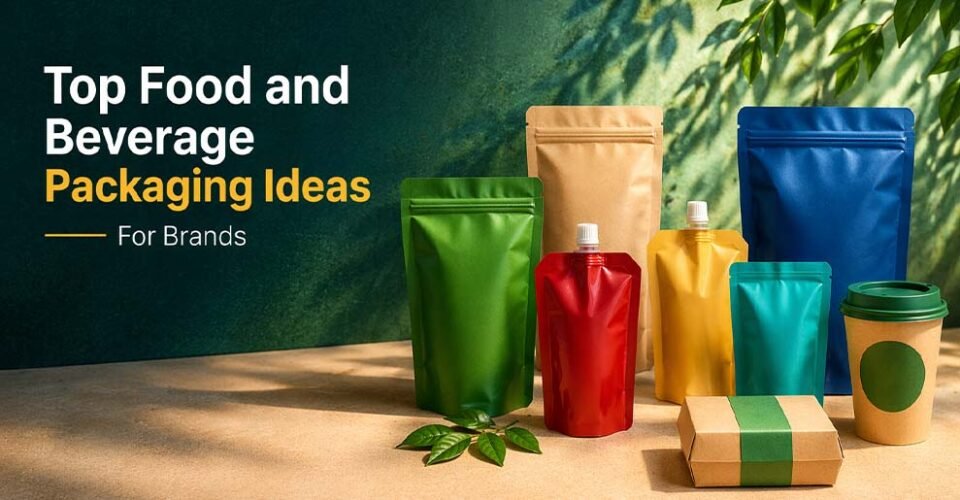
Food and beverage packaging is becoming a major factor in how brands attract and retain customers. In 2026, it is not just about protection but also about presentation, convenience, and sustainability. The food and packaging industry is seeing a shift towards smarter and more functional solutions. Brands are now focusing on food and drink packaging that improves user experience while maintaining product quality.
At the same time, flexible packaging products are gaining popularity due to their cost efficiency and design flexibility. Businesses are using these solutions to create packaging that stands out on shelves and online platforms.
As competition increases, choosing the right food and beverage packaging strategy can directly impact brand growth. Understanding these evolving trends is important, but businesses must also evaluate the key factors that influence packaging performance, usability, and cost before making the right choice.
Key Factors to Consider in Food and Beverage Packaging
When selecting food and beverage packaging, businesses must evaluate several key factors that directly impact product quality, safety, and customer satisfaction. Each product has unique requirements, making it essential to choose packaging solutions that offer the right level of protection, functionality, and efficiency.
For businesses looking for reliable solutions in this space, exploring specialized food and beverage packaging solutions can help in identifying materials and formats suited to different product needs.
One of the most critical considerations is product protection and shelf life. Packaging must safeguard items from moisture, air, and contamination to maintain freshness and extend usability.
Convenience and usability also play a major role. Today’s consumers prefer packaging that is easy to open, reseal, and store. Features such as zippers, spouts, and compact designs enhance everyday practicality, especially in flexible packaging formats.
In addition, factors brands should always evaluate include:
- Product protection and shelf life
- Ease of use and storage
- Material strength and durability
- Visual appeal and branding
- Cost and transportation efficiency
By focusing on these elements, businesses can choose packaging that balances performance, cost-effectiveness, and overall customer experience.
Popular Food and Beverage Packaging Formats
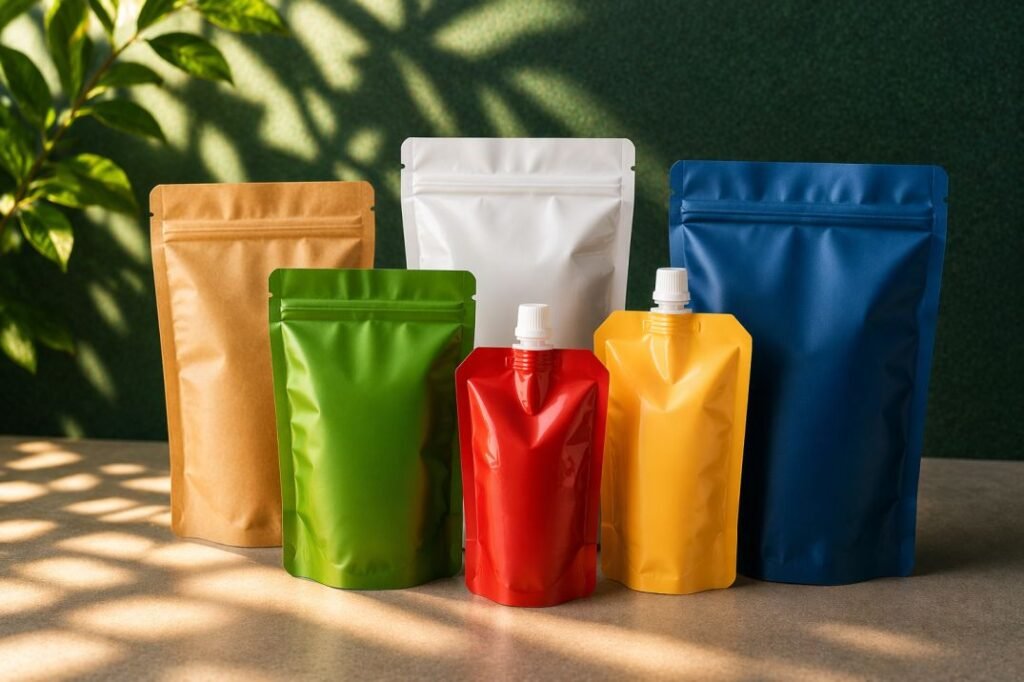
Food and beverage packaging in 2026 is largely driven by convenience and adaptability. Brands are choosing formats that not only protect the product but also improve storage, transport, and shelf visibility. This shift is clearly visible across the food and packaging industry.
Flexible packaging products have become a preferred choice due to their lightweight structure and design flexibility. From snacks to liquids, food and drink packaging is now more compact, durable, and user-friendly than traditional formats.
To understand which format suits your product best, it’s useful to explore types of packaging pouches and how they are used across categories in modern food and beverage packaging.
Flexible Packaging Formats
Flexible formats dominate the food and packaging industry because they offer both performance and cost efficiency. These packaging types are widely used for their practicality and visual appeal.
- Stand-up pouches for snacks and dry foods
- Spout pouches for liquid and semi-liquid products
- Zipper pouches for resealable convenience
- Vacuum packaging for extended shelf life
For example, formats like Standy Pouch and Zipper Lock Pouch are widely used in food and beverage packaging for snacks, dry fruits, and ready-to-eat products. These flexible packaging products offer both convenience and strong shelf appeal.
Rigid Packaging Formats
Rigid packaging still holds value in specific segments of food and beverage packaging. It is often used where structure and durability are more important than flexibility.
- Glass bottles for beverages
- Plastic containers for ready-to-eat items
- Metal cans for long shelf life products
Both flexible and rigid solutions play an important role, but the growing demand clearly leans toward flexible packaging products due to their efficiency and versatility.
Innovative Food and Beverage Packaging Ideas
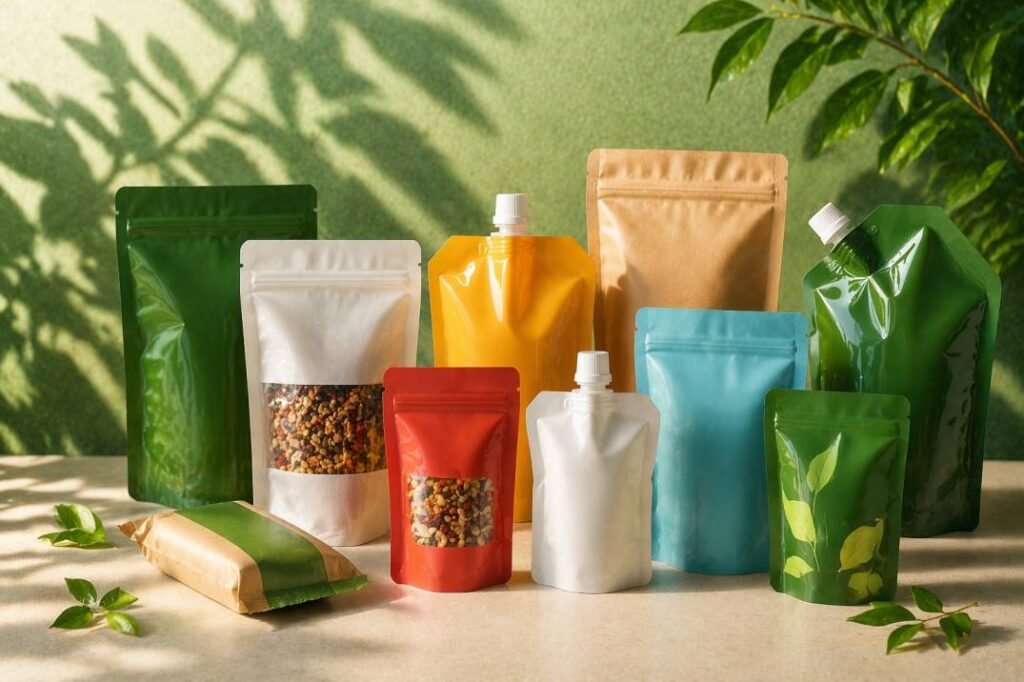
Innovation in food and beverage packaging is focused on improving both functionality and customer experience. Brands are moving beyond basic packaging and adopting solutions that make products easier to use, store, and carry. This shift is shaping the future of the food and packaging industry.
Modern food and drink packaging is also becoming more interactive and user-friendly. Features like resealability, easy dispensing, and compact designs are now expected by consumers. This is why flexible packaging products are being widely adopted across different product categories.
At the same time, sustainability is becoming a core part of food and beverage packaging strategies. Brands are exploring materials and designs that reduce environmental impact while maintaining product safety and quality.
Smart & Functional Packaging
Smart packaging solutions are designed to enhance usability and convenience. These innovations help brands deliver better customer experiences through practical design improvements.
- Easy-pour spouts for liquid products
- Resealable zippers for repeated use
- Portion-controlled packaging
- QR-based interactive labels
Sustainable Packaging Solutions
Sustainability is now a key decision factor in the food and packaging industry. Consumers are actively choosing brands that use eco-conscious food and drink packaging.
- Recyclable packaging materials
- Reduced plastic usage
- Lightweight flexible packaging
- Biodegradable alternatives
These innovations are setting new standards, which is why brands must also focus on selecting packaging based on product type and usage requirements.
Innovative formats like Shaped Pouch are also gaining attention in the food and beverage packaging space, as they help brands create unique designs that instantly attract customers.
Choosing the Right Packaging Based on Product Type
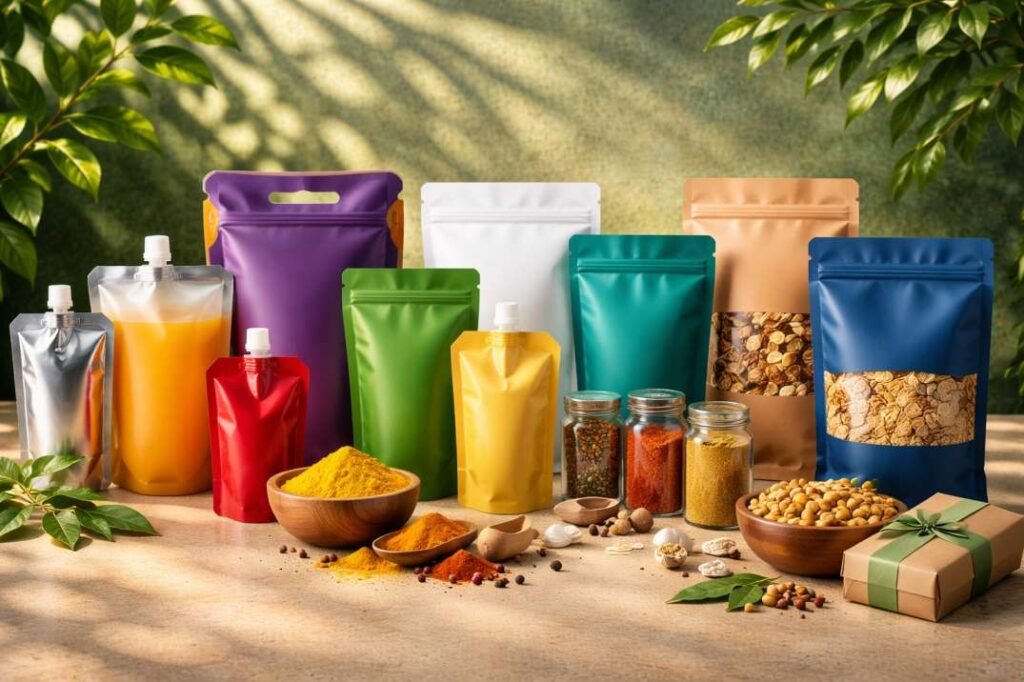
Selecting the right food and beverage packaging depends on the type of product. Liquids, powders, and solids need different levels of protection, sealing, and material strength in the food and packaging industry.
Each category in food and drink packaging has specific requirements. Choosing the wrong packaging can affect product quality, shelf life, and overall customer experience.
To simplify this, let’s break down food and beverage packaging based on product type so you can choose the right solution more effectively.
Packaging for Liquid Products
Liquid products need strong sealing and durable materials to prevent leakage. Flexible food and beverage packaging like spout pouches is widely used for its convenience and efficiency.
In liquid food and beverage packaging, formats like Corner Spout and Spout Pouch with Handle are highly preferred.
If you want to explore this further, you can check out pouches for liquid packaging to understand the best options available today.
Packaging for Spices and Powders
Spices require moisture-resistant food and drink packaging to preserve freshness. High-barrier flexible packaging products help maintain aroma and prevent contamination.
You can also explore packaging for spices to see how proper packaging improves shelf life and product quality.
Packaging for Solid and Dry Foods
Dry food products need protection from air and humidity. Lightweight flexible packaging products are commonly used to improve storage and extend shelf life.
For dry food products, formats such as Flat Bottom Pouch are commonly used in the food and packaging industry. They provide better stability on shelves and improve product visibility in retail environments.
Why Flexible Packaging is Dominating the Food Industry
Flexible packaging has become a leading choice in food and beverage packaging due to its efficiency and adaptability. Brands across the food and packaging industry prefer it because it reduces material usage while maintaining strong protection.
One of the biggest advantages of flexible packaging products is cost efficiency. It lowers transportation and storage costs, making it ideal for businesses looking to scale. This is why many companies actively look for reliable best flexible packaging manufacturers to ensure consistent quality and performance.
In addition, flexible food and drink packaging offers better design flexibility and shelf appeal. It allows brands to create attractive packaging that stands out, which directly impacts customer attention and buying decisions.
How Packaging Influences Consumer Buying Decisions
Food and beverage packaging plays a direct role in how customers perceive a product. From colors to material quality, every element of food and drink packaging affects whether a customer picks a product or ignores it.
In the food and packaging industry, packaging is often the first point of interaction. A clean, functional, and visually appealing design builds trust and creates a strong first impression. This is why brands focus heavily on improving their food and beverage packaging strategy.
If you want to understand this in more depth, you can explore how packaging affects consumer behavior to see how design, structure, and usability influence buying decisions in real markets.
Impact of Packaging on Sales and Brand Growth
Food and beverage packaging has a direct impact on how well a product performs in the market. Attractive and functional packaging helps products stand out, increasing the chances of customer engagement and purchase.
In the food and packaging industry, strong packaging design improves brand recall and builds long-term trust. When customers recognize and trust your food and drink packaging, they are more likely to choose your product repeatedly.
To understand the direct connection between packaging and revenue, you can explore the impact of packaging on sales and see how the right food and beverage packaging strategy can drive business growth.
Future Trends in Food and Beverage Packaging
The future of food and beverage packaging is focused on innovation, sustainability, and convenience. As the food and packaging industry evolves, brands are adopting smarter solutions to meet changing consumer expectations.
Modern food and drink packaging is becoming more user-friendly and environmentally responsible. Businesses are now investing in flexible packaging products that not only improve functionality but also reduce environmental impact.
Companies like White Lotus Industries Limited are already adapting to these changes by offering advanced food and beverage packaging solutions that align with current and future market needs.
- Increased use of recyclable and eco-friendly materials
- Growth of smart and interactive packaging
- Rising demand for lightweight flexible packaging products
- Focus on convenience and resealable designs
Conclusion
Food and beverage packaging has become a critical factor in determining product success in 2026. It is no longer limited to protection, but also plays a major role in branding, convenience, and customer experience.
As the food and packaging industry continues to evolve, businesses must focus on adopting modern food and drink packaging solutions. From flexible packaging products to innovative designs, the right approach can significantly improve market performance.
By understanding packaging types, consumer behavior, and future trends, brands can build a strong foundation for growth. Choosing the right food and beverage packaging strategy will ultimately help businesses stay competitive and relevant in a fast-changing market.
Frequently Asked Questions (FAQs)
1. What are the latest food and beverage packaging trends?
Food and beverage packaging focuses on sustainability, convenience, and smart designs. Flexible packaging products are leading the food and packaging industry due to their efficiency and modern appeal.
2. Which packaging is best for liquid food products?
Flexible food and drink packaging like spout pouches is ideal for liquids. These food and beverage packaging solutions offer leak-proof design and easy usability.
3. What is the most popular packaging format for food brands?
Pouches are among the most popular formats in food and beverage packaging. Flexible packaging products are widely used for snacks, spices, and ready-to-eat food in the food and packaging industry.
4. Why is flexible packaging used in food and beverage packaging?
Flexible packaging products are used because they are lightweight, cost-effective, and easy to handle. They improve storage and transportation in modern food and drink packaging.
5. How do brands choose the right food packaging?
Brands choose food and beverage packaging based on product type, shelf life, and usability. In the food and packaging industry, selecting the right flexible packaging products ensures better performance.