
Packaging is much more than just a protective layer around a product. It plays a crucial role in preserving product quality, improving shelf life, enhancing brand visibility, and creating a positive customer experience. Whether you’re packaging food, beverages, pharmaceuticals, cosmetics, or industrial products, choosing the right type of packaging can directly impact your product’s success in the market.
Today, businesses generally choose between two major packaging solutions: flexible packaging and rigid packaging. Both have unique advantages and are suitable for different products and industries. While flexible packaging is known for its lightweight design, cost-effectiveness, and versatility, rigid packaging offers superior structural strength and premium product presentation.
So, which one is the better choice?
The answer depends on several factors, including the type of product, transportation requirements, storage conditions, sustainability goals, branding needs, and overall budget. Understanding the differences between these two packaging solutions will help businesses make informed decisions that improve efficiency and customer satisfaction.
In this article, we’ll explore flexible packaging vs. rigid packaging, compare their features, advantages, and applications, and help you determine which option best suits your business.
What is flexible packaging?
Flexible packaging refers to packaging made from materials that can easily bend, fold, or change shape without affecting their protective properties. Unlike rigid containers, flexible packaging adapts to the shape of the product, making it lightweight, space-efficient, and highly versatile.
It is manufactured using various materials such as plastic films, aluminum foil, paper, laminates, and biodegradable materials. Modern flexible packaging solutions are designed to provide excellent barrier protection against moisture, oxygen, light, and contaminants while maintaining product freshness.
Over the last decade, flexible packaging has become the preferred choice for many industries due to its convenience, lower production costs, and improved sustainability.
From food products and beverages to pharmaceuticals and personal care items, flexible packaging offers businesses a practical and visually appealing packaging solution that meets modern consumer expectations.
Common Types of Flexible Packaging
Different products require different packaging solutions, which is why flexible packaging is available in various formats.
Stand-Up Pouches
Stand-up pouches are among the most popular flexible packaging options available today. Their ability to stand upright on retail shelves improves product visibility while offering excellent storage convenience. These pouches are widely used for snacks, dry fruits, pet food, coffee, spices, frozen foods, and health supplements.
As consumer demand continues to evolve, businesses are increasingly adopting innovative pouch designs. You can explore the latest innovations in stand-up pouch trends.
Flat Pouches
Flat pouches are commonly used for products like masalas, tea, coffee, powders, pharmaceuticals, and confectionery items. They are lightweight, economical, and require minimal storage space.
Businesses looking for high-quality spice packaging solutions can also explore a Masala Packing Pouch Manufacturer.
Vacuum Packaging
Vacuum packaging removes excess air before sealing the package, helping preserve freshness and extend shelf life. It is widely used for meat, seafood, dairy products, frozen foods, and processed food items.
Retort Pouches
Retort pouches are specially designed to withstand high-temperature sterilization processes. They are commonly used for ready-to-eat meals, curries, soups, and packaged food products.
Rollstock Packaging
Rollstock packaging is primarily used in automated packaging systems. Manufacturers prefer rollstock films because they improve production efficiency while allowing customized package sizes.
Key Benefits of Flexible Packaging
Flexible packaging has become increasingly popular because it delivers multiple advantages for manufacturers, retailers, and consumers alike.
Lightweight and Cost-Effective
One of the biggest advantages of flexible packaging is its lightweight nature. Since it uses less material compared to rigid packaging, manufacturing costs remain lower. Additionally, lighter packages reduce transportation expenses, making logistics more economical.
Better Shelf Appeal
Modern printing technologies allow flexible packaging to feature high-quality graphics, vibrant colors, matte finishes, glossy effects, and transparent windows. This creates an attractive appearance that helps products stand out on retail shelves.
Extended Shelf Life
Many flexible packaging materials are designed with high-barrier properties that protect products from moisture, oxygen, UV light, and contamination. This helps maintain freshness while reducing product wastage.
If you’re packaging food products, selecting the right material is equally important. White Lotus Industries explains this in detail in their guide on Choosing the Right Flexible Packaging Material for Food Products.
Efficient Storage
Flexible packaging occupies significantly less space during storage and transportation. This allows businesses to maximize warehouse capacity and reduce shipping costs.
Sustainability
Many manufacturers are shifting toward recyclable, reusable, and mono-material flexible packaging solutions that reduce environmental impact. Using less raw material also helps decrease carbon emissions during transportation.
Easy Customization
Flexible packaging supports multiple customization options, including various shapes, sizes, zipper closures, tear notches, spouts, resealable designs, and premium finishes. This flexibility allows brands to create packaging that enhances customer convenience and strengthens product branding.
Industries That Use Flexible Packaging
Flexible packaging has become an essential solution across numerous industries due to its versatility and performance.
Food & Beverage Industry
The food industry is one of the largest users of flexible packaging. Products such as snacks, spices, coffee, tea, frozen foods, sauces, dairy products, confectionery, and ready-to-eat meals all benefit from flexible packaging because it preserves freshness while reducing transportation costs.
Companies manufacturing beverages can also benefit from specialized pouch packaging solutions. White Lotus Industries offers customized solutions as a fruit juice pouch manufacturer in India.
Pharmaceutical Industry
Medicines, powders, medical devices, healthcare products, and diagnostic kits require contamination-resistant packaging. Flexible packaging provides reliable barrier protection while ensuring product safety.
Cosmetics & Personal Care
Flexible packaging is widely used for shampoos, lotions, creams, face masks, refill packs, and skincare products because it offers convenience, attractive branding, and easy portability.
Agriculture
Seeds, fertilizers, pesticides, and animal feed require durable packaging capable of withstanding transportation and storage conditions. Flexible packaging offers both durability and moisture resistance for agricultural products.
FMCG Products
Fast-moving consumer goods manufacturers rely on flexible packaging because it supports high-speed production, excellent print quality, and cost-effective distribution.
What is Rigid Packaging?
Rigid packaging refers to packaging made from hard materials that maintain their shape regardless of external pressure. Unlike flexible packaging, rigid packaging provides strong structural support and superior protection for delicate or high-value products.
Rigid packaging is commonly manufactured using materials such as glass, hard plastics, metal, paperboard, and corrugated cardboard. These materials are known for their strength, durability, and premium appearance.
Rigid packaging is commonly used for products that require additional protection during transportation or long-term storage.
Examples include:
- Glass bottles
- Plastic bottles
- Cosmetic jars
- Metal cans
- Pharmaceutical containers
- Storage boxes
Because of its robust structure, rigid packaging is often preferred for fragile, premium, or luxury products where presentation and durability are equally important.
Common Types of Rigid Packaging
Rigid packaging is available in several forms, depending on the product and industry requirements.
Plastic Bottles
Plastic bottles are one of the most commonly used rigid packaging solutions. They are lightweight, durable, and suitable for beverages, edible oils, detergents, shampoos, cleaning products, and personal care items.
Glass Bottles and Jars
Glass packaging provides a premium appearance while preserving the quality of food, beverages, perfumes, cosmetics, sauces, and pharmaceutical products. Since glass is chemically stable, it doesn’t react with the product inside, making it an excellent choice for sensitive formulations.
Metal Cans
Metal cans offer exceptional protection against moisture, oxygen, and light. They are commonly used for canned foods, soft drinks, energy drinks, aerosols, paints, and industrial chemicals.
Paperboard Boxes
Paperboard packaging is widely used for cosmetics, medicines, electronics, toys, and retail products. It provides good structural support while offering excellent printing and branding opportunities.
Corrugated Boxes
Corrugated boxes are primarily used for shipping and logistics. Their strength helps protect products during transportation, making them an essential part of supply chain management.
Advantages of Rigid Packaging
Rigid packaging remains an important packaging solution for many industries due to its strength and protective capabilities.
Superior Product Protection
Rigid packaging provides excellent resistance against impact, crushing, and external pressure. This makes it ideal for fragile products such as glass bottles, electronic devices, and medical equipment.
Premium Product Presentation
Luxury brands often choose rigid packaging because it enhances product appearance and creates a premium customer experience. High-end perfumes, cosmetics, watches, and gift items commonly use rigid packaging to strengthen brand perception.
Better Structural Strength
Unlike flexible packaging, rigid containers maintain their shape throughout storage and transportation. This minimizes the risk of deformation and protects products from physical damage.
Easy Stacking and Warehousing
Rigid containers are easier to stack in warehouses and retail stores. Their consistent shape improves storage organization and simplifies inventory management.
Longer Shelf Stability
Rigid packaging provides reliable protection for products that require extended storage periods. Many pharmaceutical and chemical products benefit from this additional level of security.
Industries That Prefer Rigid Packaging
Although flexible packaging is becoming increasingly popular, several industries continue to rely on rigid packaging because of its durability and product protection.
Beverage Industry
Glass bottles and PET bottles remain widely used for bottled water, juices, carbonated drinks, dairy products, and alcoholic beverages.
Pharmaceutical Industry
Many medicines, syrups, tablets, injections, and healthcare products require rigid packaging to ensure product safety and regulatory compliance.
Cosmetics and Luxury Products
Premium skincare products, perfumes, beauty creams, and luxury gift items often use rigid packaging because it creates a more sophisticated appearance.
Electronics Industry
Electronic devices require strong packaging that protects sensitive components during transportation. Rigid boxes with protective inserts help prevent damage caused by shocks and vibrations.
Industrial Chemicals
Hazardous chemicals, lubricants, paints, and industrial liquids often require rigid packaging to reduce the risk of leakage and improve handling safety.
Flexible Packaging vs Rigid Packaging: Key Differences
Choosing between flexible packaging and rigid packaging depends on several important factors. Understanding these differences helps businesses select the most suitable packaging solution based on product requirements, logistics, budget, and customer expectations.
Material Composition
Flexible packaging is typically manufactured using plastic films, laminated structures, aluminum foil, paper, and other lightweight materials. These materials can bend, fold, and adapt to different product shapes.
Rigid packaging, on the other hand, is made from hard materials such as glass, metal, rigid plastics, and paperboard that maintain their original shape.
Weight
One of the biggest advantages of flexible packaging is its lightweight construction.
Because it uses significantly less material, businesses can reduce shipping costs and transport larger quantities in a single shipment.
Rigid packaging is naturally heavier, increasing freight expenses and fuel consumption.
Transportation Costs
Transportation plays a major role in overall packaging expenses.
Flexible packaging reduces logistics costs because:
- It weighs less
- Occupies less storage space
- Requires fewer transportation resources
Rigid packaging generally increases shipping costs due to its larger size and heavier weight.
Storage Efficiency
Flexible packaging can be stored flat before filling, allowing businesses to maximize warehouse space.
Rigid containers require significantly more storage area because they retain their original shape regardless of whether they are empty or filled.
Product Protection
Rigid packaging offers stronger protection against impact and crushing, making it ideal for fragile or premium products.
Flexible packaging, however, provides excellent protection against moisture, oxygen, light, and contamination when designed with high-barrier materials.
For many food, pharmaceutical, and FMCG products, flexible packaging delivers more than enough protection while reducing overall packaging costs.
Customization and Branding
Flexible packaging offers greater design flexibility.
Manufacturers can incorporate:
- Matte finishes
- Glossy finishes
- Metallic effects
- Transparent windows
- Resealable zippers
- Spouts
- Tear notches
- Various pouch styles
If you’re unsure which pouch design best suits your product, White Lotus Industries has published a detailed guide on How to Choose the Right Flexible Packaging Pouch, helping businesses select the ideal packaging based on product type and customer requirements.
Advantages of Flexible Packaging for Modern Businesses
In today’s competitive market, businesses are constantly looking for packaging solutions that reduce costs, improve efficiency, and enhance customer satisfaction. This is where flexible packaging stands out as a preferred choice across industries. From food manufacturers to pharmaceutical companies, more businesses are switching to flexible packaging because of its versatility and long-term benefits.
Let’s explore why flexible packaging has become an essential packaging solution for modern businesses.
1. Lower Packaging Costs
One of the biggest reasons businesses prefer flexible packaging is its affordability. Compared to rigid packaging, it requires significantly less raw material during manufacturing. This not only reduces production costs but also lowers transportation and storage expenses.
For businesses handling large production volumes, these cost savings can have a significant impact on overall profitability.
2. Reduced Transportation Costs
Flexible packaging is lightweight, allowing businesses to transport more products in fewer shipments. Since shipping charges are often based on weight and space, lighter packaging helps reduce logistics expenses while improving supply chain efficiency.
This makes flexible packaging an excellent choice for manufacturers exporting products across different regions or countries.
3. Better Product Shelf Life
Many flexible packaging materials are designed with advanced barrier technology that protects products from:
- Moisture
- Oxygen
- UV light
- Dust
- Contamination
This helps maintain product freshness, reduce spoilage, and extend shelf life, especially for food, pharmaceutical, and FMCG products.
4. Attractive Product Presentation
Packaging is often the first thing customers notice before making a purchase.
Flexible packaging allows brands to create visually appealing designs with:
- High-quality printing
- Matte and glossy finishes
- Transparent windows
- Metallic effects
- Premium textures
These features improve shelf visibility and strengthen brand recognition.
5. Space-Saving Storage
Unlike rigid containers, flexible packaging occupies minimal space before filling and during transportation.
This allows businesses to:
- Reduce warehouse costs
- Store larger quantities
- Improve inventory management
- Optimize logistics operations
6. Excellent Customization Options
Every product has unique packaging requirements.
Flexible packaging can be customized into various formats, including:
- Stand-up pouches
- Three-side seal pouches
- Center seal pouches
- Spout pouches
- Zip-lock pouches
- Vacuum pouches
- Rollstock films
If you’re unsure which pouch style best suits your product, White Lotus Industries has published a detailed guide on Choose the Right Flexible Packaging Pouch, helping businesses select packaging based on their specific product requirements.
7. Supports Sustainability Goals
As businesses move toward environmentally responsible practices, flexible packaging continues to evolve with recyclable, mono-material, and lightweight packaging options.
Because it uses less material and requires less fuel during transportation, flexible packaging often contributes to a lower overall environmental footprint compared to heavier packaging formats.
8. Suitable for Multiple Industries
Flexible packaging is widely used across industries including:
- Food & Beverage
- Pharmaceuticals
- Cosmetics
- Agriculture
- Pet Food
- Chemicals
- FMCG
- Nutraceuticals
Its versatility makes it one of the fastest-growing packaging solutions worldwide.
When Should You Choose Rigid Packaging?
Although flexible packaging offers numerous advantages, rigid packaging remains the better choice for certain applications.
Businesses should consider rigid packaging when:
Your product is fragile.
Products made from glass, ceramics, or delicate materials require strong structural support during transportation.
Examples include:
- Glass bottles
- Electronic products
- Medical equipment
- Luxury gift items
Premium Presentation is a Priority
Luxury brands often choose rigid packaging because it enhances product appearance and creates a premium unboxing experience.
Examples include:
- Perfumes
- Luxury skincare
- Watches
- Jewelry
- Gift boxes
Heavy Products Require Strong Support
Products with substantial weight often need rigid containers that can withstand stacking pressure during storage and transportation.
Long-Term Storage is Required
Certain pharmaceutical and industrial products remain in storage for extended periods.
Rigid packaging offers excellent structural stability, helping maintain product quality over time.
Flexible Packaging vs Rigid Packaging Comparison Table
| Feature | Flexible Packaging | Rigid Packaging |
|---|---|---|
| Weight | Lightweight | Heavy |
| Manufacturing Cost | Lower | Higher |
| Transportation Cost | Lower | Higher |
| Storage Space | Requires Less Space | Requires More Space |
| Product Protection | Excellent Barrier Protection | Excellent Structural Protection |
| Customization | Highly Customizable | Moderate |
| Printing Quality | Excellent | Excellent |
| Sustainability | Uses Less Material | Depends on Material Type |
| Shelf Appeal | High | Premium Appearance |
| Best For | Food, FMCG, Pharma, Agriculture | Glass Products, Luxury Goods, Electronics |
How to Choose the Right Packaging for Your Business
Selecting the right packaging solution requires evaluating multiple factors beyond cost alone.
Here are some important considerations.
Understand Your Product
Start by evaluating your product’s characteristics.
Ask yourself:
- Is it fragile?
- Does it require moisture protection?
- Does it need oxygen barriers?
- Will it be transported over long distances?
Understanding these requirements will help determine whether flexible or rigid packaging is more suitable.
Consider Your Target Market
Customer expectations also influence packaging decisions.
For example:
- Premium cosmetics often require rigid packaging.
- Snacks and FMCG products perform better with flexible pouches.
- Frozen food products usually benefit from flexible barrier packaging.
Evaluate Transportation Costs
If logistics expenses are a major concern, flexible packaging can significantly reduce shipping costs due to its lightweight nature.
Focus on Sustainability
Consumers increasingly prefer environmentally responsible brands.
Choosing recyclable or lightweight packaging solutions can improve both your brand image and operational efficiency.
Partner with an Experienced Packaging Manufacturer
Perhaps the most important decision is selecting the right manufacturing partner.
An experienced packaging manufacturer understands industry standards, product safety, material selection, and customization requirements, helping businesses achieve better packaging performance.
Why Choose a Reliable Flexible Packaging Manufacturer?
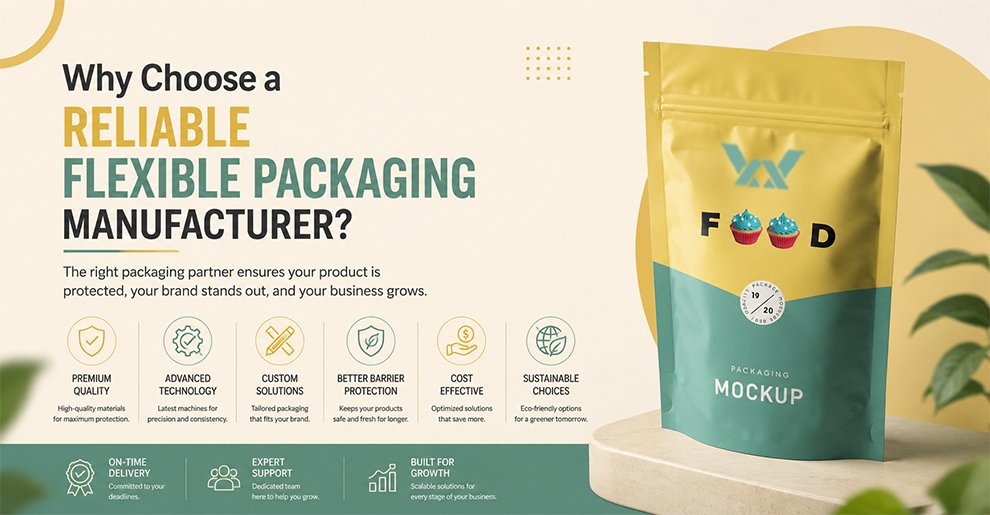
Selecting the right packaging is only one part of the process. Equally important is choosing a reliable flexible packaging manufacturer that can consistently deliver high-quality packaging solutions tailored to your business needs.
An experienced manufacturer not only provides packaging materials but also helps improve product quality, strengthen brand identity, and streamline your supply chain. Whether you’re a startup or an established brand, partnering with the right manufacturer can make a significant difference in your product’s market success.
Here are some key factors to consider when selecting a flexible packaging manufacturer.
Industry Experience and Expertise
Packaging requirements vary across industries. Food products require excellent barrier protection, pharmaceutical packaging must meet strict hygiene standards, while industrial products demand durability.
A manufacturer with years of industry experience understands these unique requirements and can recommend the most suitable packaging solution for your products.
High-Quality Materials
The quality of packaging materials directly impacts product safety, freshness, and shelf life.
Choose a manufacturer that uses premium-grade raw materials and advanced manufacturing technologies to ensure consistent quality across every batch.
Custom Packaging Solutions
Every product is unique, and your packaging should reflect your brand identity.
A trusted manufacturer should offer customization options such as:
- Stand-up pouches
- Flat pouches
- Spout pouches
- Zipper pouches
- Vacuum packaging
- Rollstock films
- Custom sizes
- Premium printing finishes
- Matte and glossy lamination
Customized packaging helps businesses stand out in competitive markets while improving customer experience.
Advanced Printing Capabilities
Packaging is often the first interaction customers have with your brand.
A reliable manufacturer should provide high-quality printing with vibrant colors, sharp graphics, and premium finishes that enhance shelf appeal and reinforce your brand identity.
Food Safety and Quality Standards
If you operate in the food or pharmaceutical industry, packaging quality is non-negotiable.
Always choose a manufacturer that follows strict quality control processes and complies with relevant food safety and industry standards.
Timely Delivery
Production delays can disrupt your supply chain and affect customer satisfaction.
A dependable packaging partner ensures timely manufacturing and delivery, helping your business maintain consistent production schedules.
Ongoing Technical Support
Packaging requirements evolve as products and markets change.
Working with a manufacturer that offers technical guidance and packaging consultation helps businesses adapt to new materials, designs, and sustainability trends more efficiently.
Why Businesses Trust White Lotus Industries for Flexible Packaging
When it comes to innovative and reliable flexible packaging solutions, White Lotus Industries has established itself as a trusted packaging partner for businesses across multiple industries.
With a strong commitment to quality, innovation, and customer satisfaction, White Lotus Industries delivers packaging solutions that help brands protect their products while creating a lasting impression on customers.
Here’s why businesses choose White Lotus Industries:
Wide Range of Packaging Solutions
White Lotus Industries manufactures flexible packaging for various industries, including:
- Food & Beverage
- Spices and Seasonings
- Dairy Products
- Frozen Foods
- Pharmaceuticals
- Personal Care
- FMCG Products
- Agricultural Products
Their extensive product portfolio allows businesses to find packaging solutions tailored to their specific requirements.
Customized Packaging for Every Business
Every product has unique packaging needs. White Lotus Industries offers customized pouch designs, sizes, materials, and printing options to help businesses create packaging that aligns with their brand identity.
Whether you need stand-up pouches, center seal pouches, vacuum packaging, or laminated films, their team can provide solutions designed for your products.
High-Quality Manufacturing
White Lotus Industries combines advanced manufacturing technology with premium raw materials to produce packaging that delivers durability, excellent barrier protection, and superior print quality.
This ensures that products remain fresh, protected, and visually appealing throughout storage and transportation.
Focus on Innovation
Consumer preferences and packaging technologies continue to evolve.
White Lotus Industries stays ahead of industry trends by developing modern packaging solutions that improve convenience, sustainability, and product presentation.
If you’re interested in learning more about the latest developments in pouch packaging, explore their article on Flexible Packaging Stand-Up Pouch Trends to discover how innovative packaging is shaping the future of the industry.
Expertise Across Multiple Packaging Applications
From snack foods and spices to beverages and pharmaceuticals, White Lotus Industries understands the packaging requirements of different industries and provides practical solutions that enhance product performance and customer satisfaction.
Businesses looking for specialized packaging solutions can also explore the following:
- Fruit Juice Pouch Manufacturer in India for high-quality beverage packaging.
- Masala Packing Pouch Manufacturer for durable and attractive spice-packaging solutions.
These specialized offerings demonstrate White Lotus Industries’ expertise in serving diverse market segments.
Trusted Industry Reputation
Businesses prefer working with packaging manufacturers that consistently deliver quality, reliability, and professional support.
White Lotus Industries has built a strong reputation by focusing on customer satisfaction, product innovation, and long-term business relationships.
If you’re exploring leading packaging companies in the region, you can also read their informative article on Top 10 Flexible Packaging Companies in Surat, which highlights the city’s growing packaging industry and key market players.
Conclusion
Choosing between flexible packaging vs. rigid packaging depends on your product, budget, and business goals. While rigid packaging offers excellent strength and durability, flexible packaging stands out for its cost-effectiveness, lightweight design, customization options, and efficient product protection. By partnering with an experienced flexible packaging manufacturer like White Lotus Industries, businesses can access innovative packaging solutions that enhance product appeal, improve operational efficiency, and meet the evolving demands of today’s market.
FAQs
Q1. What is the difference between flexible packaging and rigid packaging?
Flexible packaging is made from lightweight materials such as plastic films, foil, and paper that can bend or fold, while rigid packaging is made from materials like glass, metal, or hard plastic that retain their shape. Flexible packaging is generally more cost-effective and space-efficient, whereas rigid packaging provides stronger structural protection for fragile or premium products.
Q2. Which is better: flexible packaging or rigid packaging?
There is no one-size-fits-all answer. Flexible packaging is ideal for products that require lightweight, cost-effective, and customizable packaging, while rigid packaging is better suited for products needing maximum protection, durability, or a premium appearance. The right choice depends on your product type, storage requirements, and business goals.
Q3. What are the main benefits of flexible packaging?
Flexible packaging offers several advantages, including lower packaging and transportation costs, reduced storage space, excellent print quality, longer shelf life for many products, and a wide range of customization options. It is also a popular choice for businesses looking to improve efficiency and reduce material usage.
Q4. Which industries commonly use flexible packaging?
Flexible packaging is widely used in industries such as food and beverages, pharmaceuticals, cosmetics, personal care, agriculture, pet food, and FMCG. Its versatility and protective properties make it suitable for packaging a variety of products.
Q5. Is flexible packaging more sustainable than rigid packaging?
Flexible packaging often uses less material and is lighter than rigid packaging, which can help reduce transportation emissions and packaging waste. Many manufacturers also offer recyclable or mono-material packaging options, making flexible packaging an increasingly sustainable choice when designed and disposed of responsibly.