
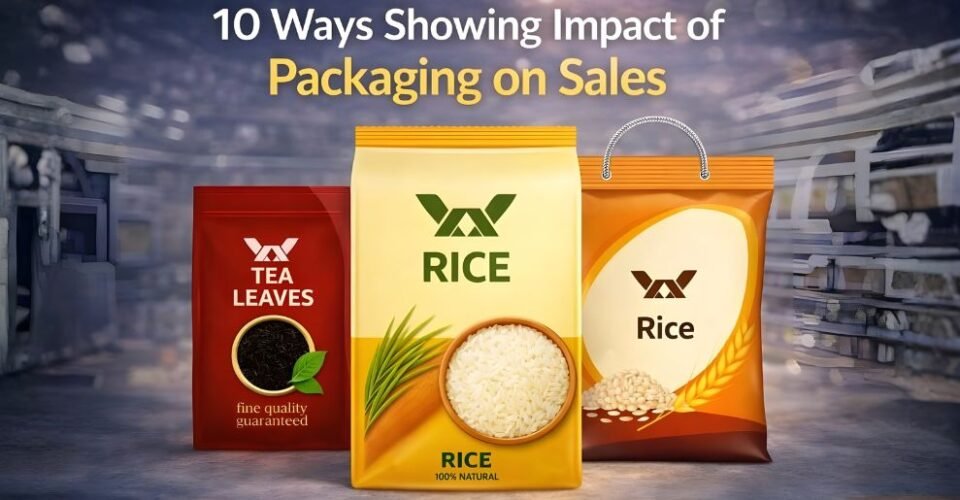
The impact of packaging on sales is direct and measurable, influencing how consumers perceive a product and how quickly they decide to buy. In competitive markets, packaging works as a silent salesperson that captures attention and builds initial trust within seconds.
The impact of packaging on sales becomes most visible at the first point of interaction. Before comparing features or pricing, consumers evaluate packaging design, structure, and clarity, making quick judgments that strongly affect purchase decisions.
From visual appeal to usability, every element contributes to better sales outcomes. Businesses that collaborate with experienced providers like White Lotus Industries Limited often leverage packaging not just for protection, but as a strategic tool to enhance brand value and customer experience.
To understand this more clearly, it is essential to break down the key ways through which packaging directly influences consumer behavior and drives business growth.
10 Key Ways the Impact of Packaging on Sales Drives Growth
Packaging plays a critical role in shaping consumer decisions at the point of purchase. The way a product is presented often determines whether it gets noticed, trusted, and ultimately selected over competing options, especially when developed with expertise from like packaging box wholesalers.
The impact of packaging on sales becomes more evident when brands align design, structure, and messaging with consumer expectations. Strong packaging not only attracts attention but also reduces hesitation, making the buying process faster and more confident.
To understand this in a structured way, let’s break down the key ways through which packaging directly drives sales and influences consumer behavior.
1. Packaging Improves Product Visibility and Shelf Impact
The impact of packaging on sales begins with visibility. In crowded retail environments, products compete for attention, and packaging becomes the primary factor that determines whether a product stands out or gets ignored.
Strategic use of colors, typography, and layout helps create visual contrast. This improves shelf presence and ensures that the product captures attention within seconds, increasing the chances of engagement.
Key factors that improve visibility include:
- Bold and consistent color schemes
- Clear product hierarchy and labeling
- High-quality printing and finishing
- Structured formats that stand upright
2. Packaging Builds Immediate Brand Trust
Trust is a major driver behind purchasing decisions, and packaging plays a key role in establishing it instantly. The impact of packaging on sales becomes evident as consumers often associate packaging quality with product quality, even before using the product.
Clean design, proper sealing, and professional presentation signal reliability. This reduces perceived risk and strengthens confidence, directly improving conversion rates.
Packaging elements that build trust include:
- Tamper-evident seals and closures
- Clear and honest product information
- Premium finishing and material quality
- Consistent branding across all products
3. Packaging Enhances Perceived Product Value
Perception significantly affects how much a consumer is willing to pay. Well-designed packaging can make a product appear more premium, even within the same category.
The impact of packaging on sales increases when brands use design elements that communicate quality and exclusivity. This helps justify pricing and improves profit margins.
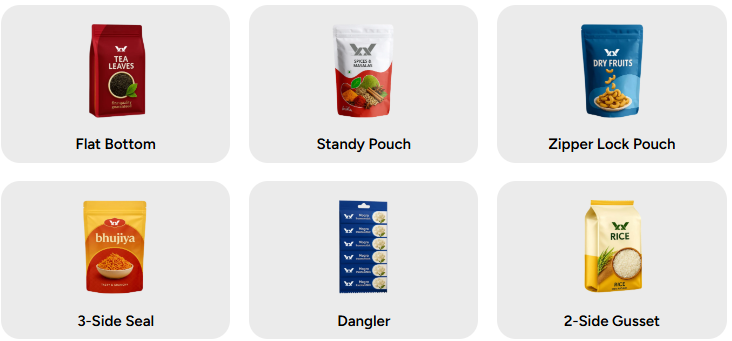
For example, structured formats like flat bottom pouches enhance shelf presence and stability, while zipper lock pouches add convenience and reusability—both contributing to a more premium user experience.
Key value-enhancing elements include:
- Matte or glossy premium finishes
- Minimalist and clean design layouts
- High-barrier materials for product safety
- Structured packaging formats for stability
4. Packaging Communicates Product Benefits Clearly
Packaging acts as a direct communication channel between the brand and the consumer. It conveys essential information that helps customers make quick decisions without external research. Businesses that explore different types of packaging pouches often structure their packaging better to communicate value more effectively.
Clear messaging reduces confusion and increases buying confidence. When consumers easily understand the product’s value, they are more likely to convert.
Effective communication through packaging includes:
- Highlighting key product benefits
- Using simple and readable typography
- Structuring information in a logical flow
- Including certifications and quality indicators
5. Packaging Creates Emotional Connection with Consumers
Beyond functionality, packaging also triggers emotional responses that influence buying behavior. The impact of packaging on sales becomes more visible when design elements like color, texture, and storytelling create a deeper connection with the consumer.
When consumers feel emotionally connected to a product, they are more likely to choose it over alternatives. This strengthens brand recall and encourages repeat purchases.
Emotional drivers in packaging include:
- Color psychology aligned with product category
- Unique textures and tactile experience
- Brand storytelling through visuals
- Personalization elements where possible
6. Packaging Improves Product Protection and Quality Perception
Product safety directly affects customer satisfaction and brand reputation. The impact of packaging on sales becomes significant when packaging ensures protection during storage and transportation, building strong confidence in the product.
When consumers see durable and well-structured packaging, they perceive the product as reliable and high-quality. This strengthens trust and reduces post-purchase dissatisfaction. Brands that understand the benefits of flexible packaging over rigid containers often achieve better protection while maintaining efficiency and cost balance.
Protective features that influence perception include:
- Strong sealing and barrier properties
- Resistance to moisture and contamination
- Durable materials that prevent damage
- Secure closures for repeated use
7. Packaging Supports Consistent Branding and Marketing
Packaging plays a central role in maintaining brand consistency across all touchpoints. It reinforces marketing campaigns and ensures that the brand identity remains recognizable.
The impact of packaging on sales increases when packaging aligns with advertisements, digital presence, and overall brand messaging. This consistency improves recall and strengthens positioning.
Key elements that support branding consistency include:
- Uniform color palette and typography
- Consistent logo placement and design language
- Alignment with digital and offline marketing campaigns
- Structured packaging formats across product lines
8. Packaging Enhances User Experience and Convenience
User-friendly packaging improves customer satisfaction and encourages repeat purchases. Convenience features like easy opening, resealing, and portability make products more practical. The impact of packaging on sales becomes clear when usability directly enhances the customer experience.
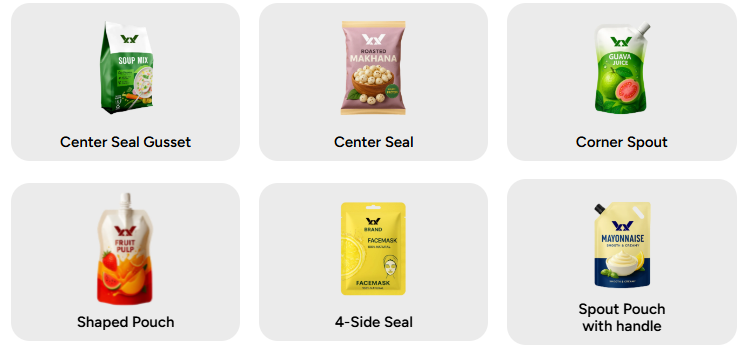
Center seal gusset pouches offer strong storage efficiency for bulk products, while corner spout pouches ensure controlled dispensing and spill-proof convenience, especially for liquids. These formats improve ease of use across categories.
Better usability reduces frustration and adds value to the product experience, helping increase long-term customer retention.
Key usability features include:
- Resealable closures for freshness
- Lightweight and portable formats
- Easy-to-open designs
- Spill-proof and storage-friendly structures
9. Sustainable Packaging Increases Customer Preference
Sustainability has become a major factor influencing consumer decisions. Environmentally responsible packaging builds trust and improves brand perception.
Consumers increasingly prefer brands that adopt eco-friendly practices. This shift directly contributes to improved sales and long-term loyalty.
Sustainability drivers include:
- Use of recyclable materials
- Reduced packaging waste
- Eco-friendly inks and processes
- Lightweight designs for lower emissions
10. Packaging Drives Repeat Purchases and Brand Loyalty
The final stage of the impact of packaging on sales is long-term retention. Packaging that delivers a positive experience encourages customers to repurchase and recommend the product.
Consistency in quality, usability, and design strengthens brand loyalty over time. This transforms one-time buyers into repeat customers.
Key factors that drive repeat purchases include:
- Consistent packaging quality across batches
- Easy usability and convenience features
- Strong brand recall through design
- Positive unboxing and product experience
Key Packaging Elements That Influence Buying Decisions
Packaging is more than a container; it is the first impression a consumer gets about a product. Its design, structure, and messaging directly influence whether a product attracts attention and is perceived as trustworthy.
The impact of packaging on sales becomes stronger when brands focus on clarity, usability, and consistency. Every element—from color to typography—helps consumers understand the product’s value at a glance.
Essential Elements That Drive Consumer Choice:
- Visual Hierarchy: Clear layout guides the eye to key product information.
- Material Quality: Premium or durable materials create positive perceptions.
- Branding Consistency: Logos, colors, and fonts align with overall brand identity.
- Functional Design: Easy-to-use, resealable, or portable formats enhance convenience.
- Informative Messaging: Clear labeling and instructions reduce confusion and build confidence.
These elements combine to make packaging not only visually appealing but also a strategic marketing tool that drives purchase decisions naturally.
How Packaging Strategy Aligns with Sales and Marketing Goals
Packaging is a critical bridge between product design and marketing strategy. When packaging aligns with business goals, it not only attracts attention but also reinforces brand messaging and supports sales growth. Companies that partner with best flexible packaging manufacturers ensure their packaging delivers both functionality and marketing impact.
Strategically designed packaging helps products stand out, communicate value, and create a seamless customer experience, directly contributing to stronger sales performance.
Packaging as a Branding Tool
Consistent design across product lines reinforces brand identity. Logos, color schemes, and typography work together to create recognition and trust.
Packaging as a Conversion Driver
Well-structured packaging reduces hesitation at the point of purchase. Clear messaging, usability features, and premium finishes influence buying decisions positively.
Packaging in Omnichannel Marketing
Packaging must perform across retail, e-commerce, and digital touchpoints. Cohesive design ensures consumers recognize and trust the brand, no matter where they encounter the product.
Common Packaging Mistakes That Reduce Sales Impact
Even well-intentioned packaging can fail if key principles are ignored. Mistakes in design, messaging, or material selection can confuse consumers and reduce the impact of packaging on sales.
Brands that overlook sustainability, clarity, or usability risk losing trust and engagement. Understanding what is eco friendly packaging can help avoid common pitfalls and meet modern consumer expectations.
Typical Packaging Mistakes:
- Overcrowded design that overwhelms consumers
- Poor material choice leading to product damage
- Inconsistent branding across product lines
- Unclear messaging or missing key product information
Addressing these mistakes ensures packaging not only protects the product but also strengthens its market appeal and supports long-term sales growth.
Packaging Trends That Are Shaping Consumer Buying Behavior
Modern packaging trends are influencing how consumers perceive products and make purchasing decisions. Brands that adopt innovative approaches see a stronger impact of packaging on sales.
From sustainability to digital integration, these trends improve usability, appeal, and emotional connection with buyers. Awareness of latest food packaging trends helps brands stay competitive and relevant.
Key Packaging Trends Driving Sales:
- Eco-Friendly Materials: Consumers prefer recyclable and sustainable packaging.
- Minimalist Design: Clean layouts improve readability and brand perception.
- Functional Features: Resealable pouches, spout closures, and easy-open packs enhance convenience.
- Smart Packaging: QR codes, traceability, and interactive elements boost engagement.
- Premium Finishes: Matte, metallic, and textured surfaces create perceived value.
Adopting these trends allows brands to create packaging that is not only functional but also a powerful marketing tool, directly contributing to increased consumer trust and repeat purchases
Choosing the Right Packaging Materials for Better Sales Performance
The choice of packaging materials directly affects product protection, brand perception, and overall sales impact. Materials that balance durability, functionality, and visual appeal help maximize the impact of packaging on sales.
Modern brands invest in flexible-packaging-material innovations to ensure products remain safe, visually appealing, and environmentally responsible, all while enhancing consumer confidence.
Key Material Considerations for Effective Packaging:
- Barrier Strength: Protects freshness and extends shelf life.
- Print Compatibility: Ensures sharp colors and legible information.
- Flexibility & Weight: Reduces logistics costs and improves handling.
- Sustainability Profile: Recyclable, eco-friendly options build trust.
- Premium Finishes: Laminates, textures, and coatings enhance perceived value.
Selecting the right materials aligns packaging strategy with marketing goals, strengthens branding, and ensures products perform well throughout the supply chain, directly influencing consumer purchase decisions.
Final Thoughts
The impact of packaging on sales goes far beyond aesthetics—it shapes perception, builds trust, and drives repeated consumer engagement. Thoughtful packaging strategy ensures products stand out, communicate value, and strengthen brand identity over time.
By aligning design, functionality, and sustainability, businesses can transform packaging into a strategic marketing asset. Companies that work with experienced partners like White Lotus Industries leverage packaging not just for protection, but as a growth driver that enhances customer experience and long-term loyalty.
Investing in well-designed packaging, monitoring performance, and adopting innovative trends ensures that every product not only sells but leaves a lasting impression, turning first-time buyers into loyal customers and maximizing overall sales impact.
Frequently Asked Questions (FAQs)
1. How does packaging affect sales?
The impact of packaging on sales is significant because it influences first impressions, builds trust, and encourages purchases. Thoughtful packaging highlights product benefits, enhances perceived value, and helps brands stand out in competitive markets. Companies like White Lotus Industries design packaging that balances aesthetics, usability, and sustainability to maximize sales.
2. Why is the impact of packaging on sales important for new products?
For new products, the impact of packaging on sales can make or break initial market entry. Attractive, informative, and functional packaging captures attention quickly, communicates quality, and reduces hesitation, increasing the likelihood of first-time purchases.
3. What role does packaging play in marketing?
The packaging role in marketing includes communicating brand identity, reinforcing promotions, and creating shelf appeal. Properly designed packaging ensures consumers recognize and remember a brand, improving engagement and repeat purchases.
4. How does packaging design influence consumer trust?
The importance of packaging design lies in conveying quality, reliability, and authenticity. Clear labeling, premium finishes, and consistent branding reduce uncertainty and encourage confident buying decisions, enhancing long-term brand loyalty.
5. Can innovative and sustainable packaging boost sales?
Yes. Eco-friendly, functional, and modern packaging formats improve usability and appeal. Using flexible-packaging-material and adopting current trends enhances customer experience, increasing repeat purchases and strengthening the impact of packaging on sales.