
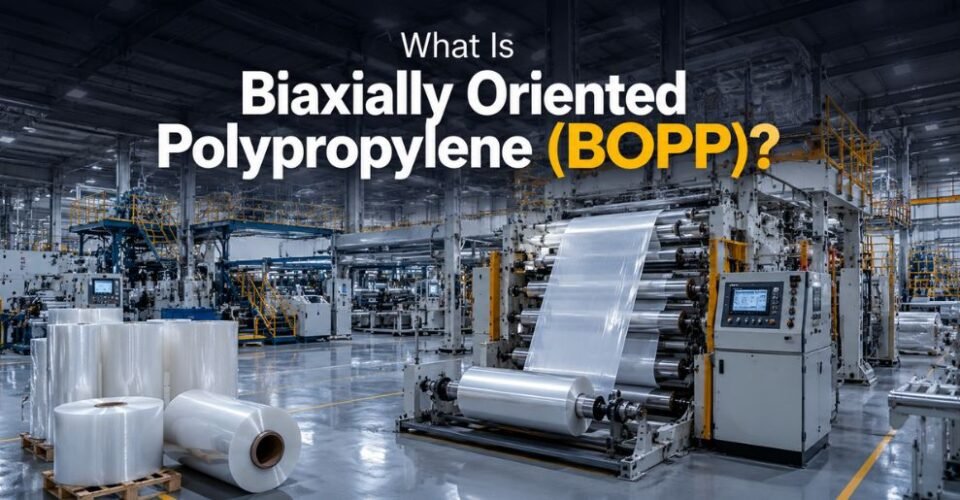
What is biaxially oriented polypropylene? Biaxially oriented polypropylene (BOPP) is a polypropylene film that is stretched in both the machine and transverse directions during manufacturing. This process improves its strength, clarity, printability, and moisture resistance, making it one of the most widely used materials in flexible packaging.
Today, BOPP film is commonly used for food packaging, personal care products, pharmaceutical products, labels, and laminates. Its combination of durability, lightweight construction, and cost-effectiveness makes it a preferred choice for brands looking for reliable packaging solutions.
Understanding what is BOPP film and what is BOPP packaging is important when selecting packaging materials for product protection and shelf appeal. BOPP film for packaging is often used in pouch structures, wrappers, and printed packaging where visual presentation and barrier performance are important.
This guide explains the key properties of BOPP film, how it is manufactured, its applications, benefits, recyclability, and how it compares with other packaging films used in modern packaging.
What Is BOPP Film?
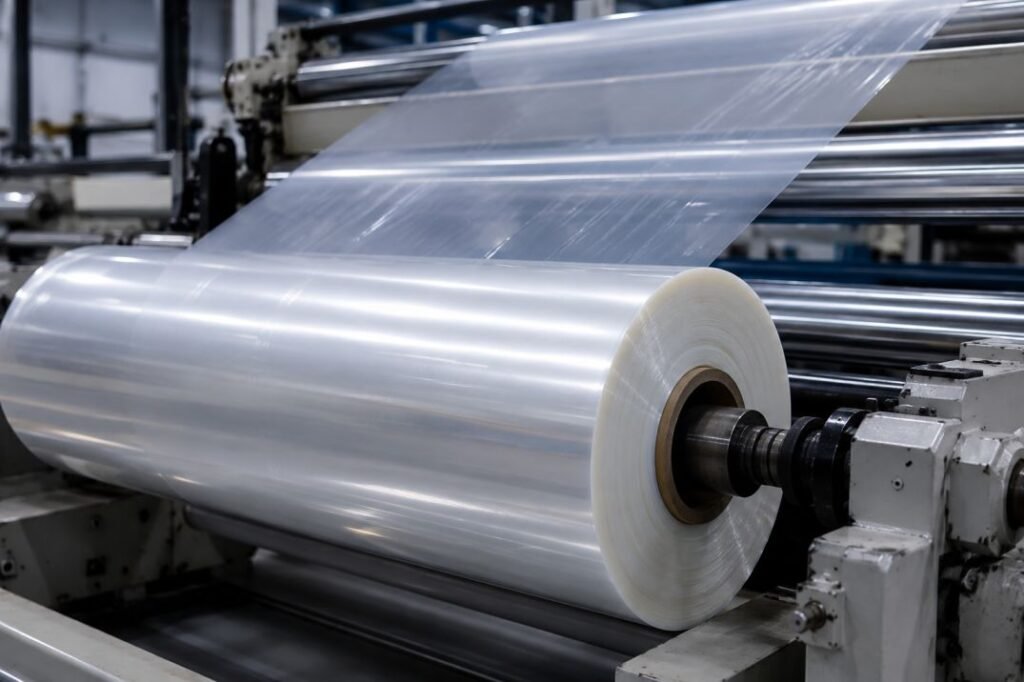
BOPP film, or biaxially oriented polypropylene film, is a plastic film produced by stretching polypropylene in both machine and transverse directions. This process enhances the film’s strength, clarity, and moisture resistance, making it one of the most widely used materials in flexible packaging.
Why Is It Called Biaxially Oriented Polypropylene?
The term “biaxially oriented” refers to the stretching of polypropylene film in two directions during manufacturing. If you’re wondering what is biaxially oriented polypropylene, the name itself describes the process that improves the film’s tensile strength, dimensional stability, clarity, and overall packaging performance.
What Is BOPP Packaging?
BOPP packaging refers to packaging structures that use BOPP film as a primary layer or as part of a laminate. Because of its excellent printability and barrier properties, BOPP film for packaging is commonly used for food products, personal care items, and consumer goods that require attractive and durable packaging.
Since BOPP is widely used in flexible packaging structures, businesses evaluating packaging materials should also understand What is Flexible Packaging Material? and how different film layers contribute to packaging performance.
Key Properties of BOPP Film
To understand what biaxially oriented polypropylene is and why it is widely used in packaging, it is important to look at the properties that make BOPP film a preferred material. These characteristics make BOPP film for packaging suitable for a wide range of consumer and industrial products.
- High Clarity and Gloss – BOPP film offers excellent transparency and surface gloss, helping products achieve better shelf visibility and a premium appearance.
- Good Moisture Resistance – The film acts as an effective barrier against moisture, making it suitable for packaging products such as snacks, biscuits, confectionery, and dry foods.
- Excellent Printability – BOPP film supports high-quality printing, allowing brands to create vibrant packaging designs with sharp graphics and consistent color reproduction.
- High Tensile Strength – The biaxial orientation process improves the film’s strength, helping it withstand handling, transportation, and storage conditions.
- Lightweight and Cost-Effective – Despite its durability, BOPP film remains lightweight, which can help reduce packaging material usage and transportation costs.
- Chemical and Grease Resistance – BOPP film performs well when exposed to oils, greases, and many common chemicals, making it useful for various packaging applications.
- Dimensional Stability – The film maintains its shape and performance under normal packaging and storage conditions, reducing the risk of distortion.
How Is BOPP Film Manufactured?
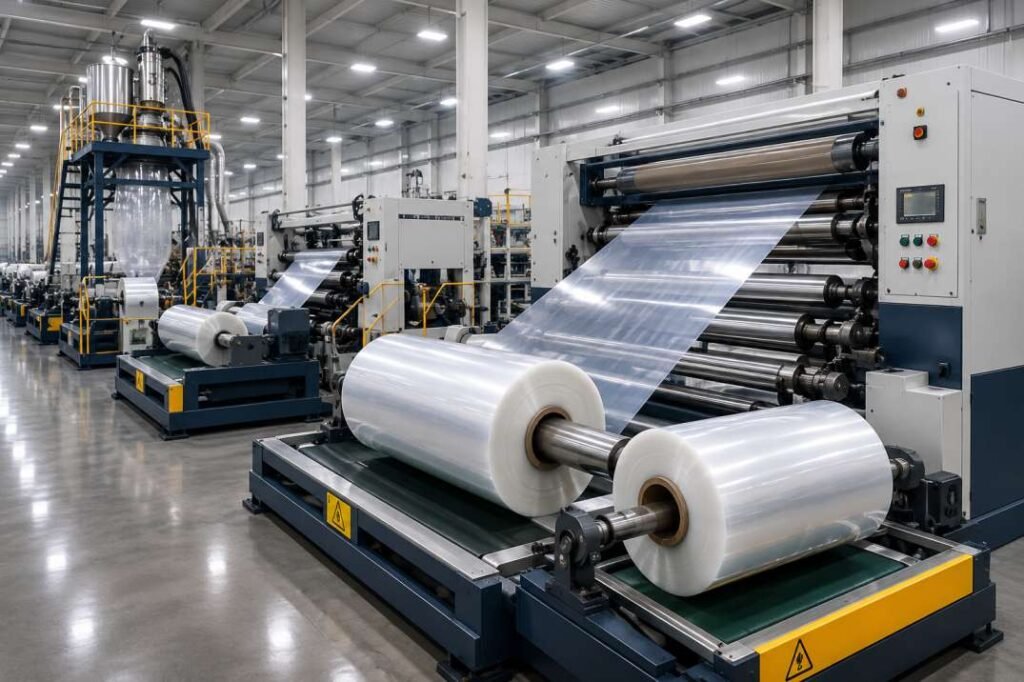
The performance of BOPP film is largely determined by the way it is manufactured. The production process involves stretching polypropylene film in two directions, which gives the material its characteristic strength, clarity, and durability.
Polypropylene Resin Preparation
The process begins with polypropylene resin pellets, which are melted and extruded into a thin film sheet. At this stage, the film has not yet developed the enhanced properties associated with BOPP film.
Biaxial Orientation Process
The film is stretched first in the machine direction and then in the transverse direction. This biaxial orientation process aligns the polymer molecules, significantly improving tensile strength, transparency, stiffness, and barrier performance.
Surface Treatment and Finishing
After orientation, the film may undergo surface treatment to improve printability and adhesion during lamination. The finished BOPP film can then be coated, metallized, or laminated with other materials depending on the requirements of the final packaging application.
Applications of BOPP in Modern Packaging
BOPP film is used across multiple industries because it combines product protection, visual appeal, and efficient packaging performance. Its versatility makes it suitable for both standalone packaging films and multi-layer laminated structures.
For businesses researching what is biaxially oriented polypropylene, its widespread use across packaging applications is one of the key reasons it has become a preferred material in the flexible packaging industry.
Food and Beverage Packaging
One of the most common applications of BOPP film for packaging is in the food and beverage industry. BOPP-based laminates are commonly used in Stand-up Pouches for snacks, dry fruits, confectionery, and other products that require strong shelf presence and moisture protection.
The film’s excellent printability and barrier properties help brands maintain product quality while creating packaging that stands out in competitive retail environments.
Personal Care and Consumer Goods Packaging
Small personal care products, sample packs, and single-use consumer goods are often packed in Three-Side Seal Pouches manufactured using BOPP-based packaging structures. Its durability and high-quality print surface make it suitable for packaging that requires clear branding, product information, and visual consistency.
Many manufacturers choose BOPP packaging because it provides a balance between performance, appearance, and cost-effectiveness across different product categories.
Flexible Packaging Pouches and Laminates
BOPP film is commonly incorporated into flexible packaging structures and laminated pouch formats. Premium packaging applications frequently use Flat Bottom Pouches because they offer excellent shelf stability and larger branding areas.
Businesses exploring different Types of Packaging Pouches often encounter BOPP-based laminates because they offer strong printing performance and reliable protection for a wide range of packaged products.
Benefits of BOPP Film for Packaging
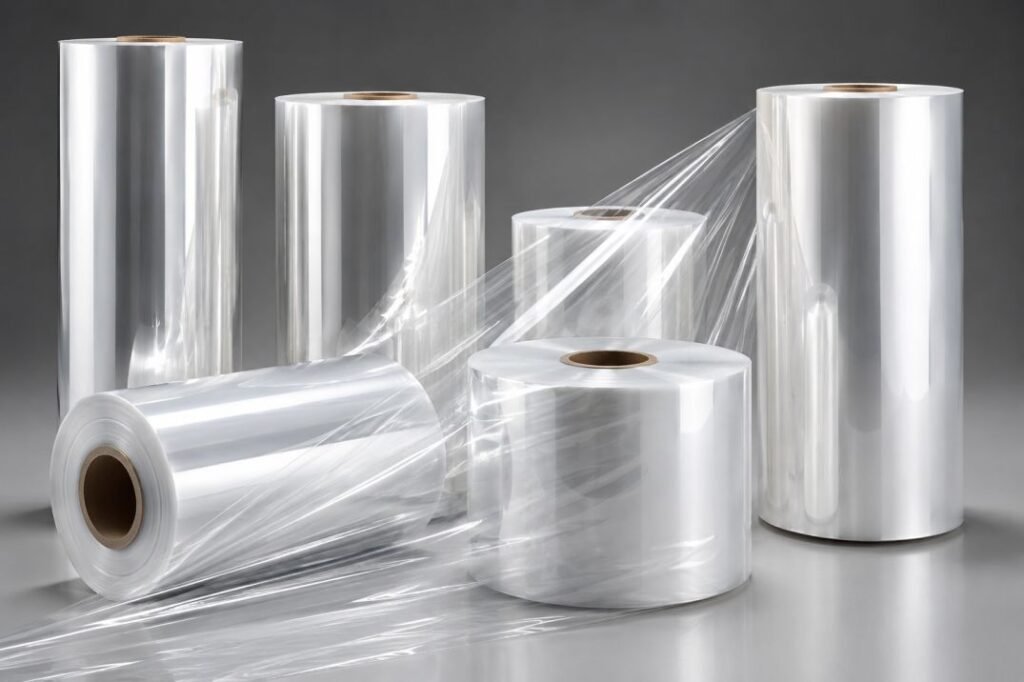
The widespread use of BOPP film is not only due to its physical properties but also because of the practical advantages it offers to manufacturers, brand owners, and packaging converters.
- Enhanced Shelf Appeal – The high clarity and glossy finish of BOPP film help products attract consumer attention and strengthen brand presentation.
- Improved Product Protection – BOPP packaging provides resistance to moisture and external environmental factors, helping maintain product quality during storage and distribution.
- Cost-Effective Packaging Solution – Its lightweight nature allows businesses to achieve durable packaging without significantly increasing material and transportation costs.
- Excellent Printing Results – Brands can achieve sharp graphics, vibrant colors, and consistent print quality, making BOPP film suitable for visually demanding packaging applications.
- Versatility Across Industries – From food products and personal care items to industrial goods, BOPP film for packaging can be adapted to a wide range of product categories.
- Compatibility with Laminated Structures – BOPP film can be combined with other packaging materials to create customized packaging solutions with enhanced barrier and performance characteristics.
A common reason businesses choose BOPP film is its ability to balance packaging performance, visual appeal, and operational efficiency without significantly increasing overall packaging costs.
BOPP vs CPP: Key Differences
Both BOPP (Biaxially Oriented Polypropylene) and CPP (Cast Polypropylene) are widely used in flexible packaging. However, their manufacturing processes and performance characteristics make them suitable for different packaging requirements.
| Feature | BOPP Film | CPP Film |
|---|---|---|
| Manufacturing Process | Stretched in two directions | Produced through a casting process |
| Clarity | High transparency and gloss | Good clarity but lower gloss than BOPP |
| Strength | Higher tensile strength | More flexible and softer |
| Moisture Resistance | Excellent | Good |
| Printability | Excellent surface for printing | Good but generally lower than BOPP |
| Heat Sealability | Usually laminated with sealant layers | Better heat-sealing properties |
| Common Applications | Snacks, biscuits, labels, laminates, pouch packaging | Retort packaging, food packaging, lamination structures |
| Cost Efficiency | Generally cost-effective for high-volume applications | Depends on application requirements |
While BOPP film is often preferred for its strength, print quality, and shelf appeal, CPP film is commonly selected when higher flexibility and heat-sealing performance are required. The choice ultimately depends on the product, packaging structure, and performance requirements of the application.
Is BOPP Film Recyclable?
Yes, BOPP film is recyclable because it is made from polypropylene, a widely used thermoplastic material. However, the recyclability of BOPP packaging depends on the overall packaging structure and the recycling facilities available in a particular region.
Some factors that influence BOPP film recyclability include:
- Material Composition – Mono-material polypropylene structures are generally easier to recycle than multi-layer laminates.
- Packaging Design – Packaging that combines different materials may require specialized recycling processes.
- Local Recycling Infrastructure – Recycling capabilities vary by location, which can affect how BOPP packaging is collected and processed.
- End-Use Application – Labels, wrappers, and laminated pouches may have different recycling pathways depending on their construction.
As packaging sustainability continues to evolve, many brands are exploring recyclable packaging solutions that maintain product protection without compromising environmental goals. Businesses looking to better understand sustainable packaging trends can also learn more about What is Recyclable Packaging and the factors that influence packaging circularity.
Things to Consider When Choosing BOPP Film
Not all BOPP films are designed for the same application. Selecting the right film depends on product requirements, packaging structure, storage conditions, and branding objectives.
- Product Type – Food products, personal care items, and industrial goods may require different film specifications and barrier properties.
- Barrier Requirements – Consider the level of moisture, oxygen, or aroma protection needed to maintain product quality and shelf life.
- Printing and Branding Needs – If shelf appeal is a priority, choose BOPP film grades that offer excellent printability and visual clarity.
- Packaging Format – The film structure should be compatible with the intended packaging format, whether it is stand-up pouches, flat bottom pouches, center seal pouches, or three-side seal pouches.
- Sustainability Goals – Businesses pursuing sustainable packaging initiatives should evaluate recyclability requirements and material compatibility before finalizing a packaging structure.
Working closely with an experienced packaging supplier can help ensure the selected BOPP film delivers the right balance of protection, appearance, performance, and cost efficiency.
Working closely with experienced Flexible Packaging Manufacturers in India can help businesses select the right BOPP film structure based on product requirements, packaging format, and performance expectations.
Conclusion
Understanding what is biaxially oriented polypropylene can help businesses make more informed packaging decisions. With its strength, printability, moisture resistance, and versatility, BOPP film remains one of the most widely used materials in modern flexible packaging.
From food packaging and consumer goods to laminated pouch structures, BOPP film for packaging continues to offer a practical balance of performance and cost efficiency. Its adaptability across industries makes it a preferred choice for a wide range of packaging applications.
As packaging requirements continue to evolve, companies such as White Lotus Industries help brands develop customized packaging solutions using advanced flexible packaging materials tailored to specific product needs.
Frequently Asked Questions (FAQs)
What is biaxially oriented polyethylene?
Biaxially oriented polyethylene (BOPE) is a polyethylene film that is stretched in both machine and transverse directions to improve strength, stiffness, and processability. While BOPE and biaxially oriented polypropylene are both oriented films, BOPE is often used in recyclable packaging structures, whereas BOPP film for packaging is widely valued for its clarity, printability, and moisture resistance.
What is biaxially oriented polypropylene used for?
Biaxially oriented polypropylene is used in a wide range of packaging applications, including food packaging, personal care products, labels, overwraps, and flexible pouch packaging. Because of its strength, transparency, and excellent printing surface, BOPP film for packaging is commonly found in snacks, biscuits, confectionery, tea, coffee, and consumer goods packaging.
What is the difference between biaxially oriented polypropylene and polypropylene?
The main difference is that biaxially oriented polypropylene undergoes a stretching process in two directions during manufacturing, while standard polypropylene does not. This orientation improves strength, clarity, stiffness, and barrier performance, making BOPP packaging more suitable for demanding packaging applications than conventional polypropylene film.
Is BOPP film safe for food packaging?
Yes, BOPP film for packaging is widely used for food products because it offers good moisture resistance, excellent printability, and product protection. This is one reason businesses researching what is BOPP film often find it used in snack foods, confectionery, dry fruits, tea, and other packaged food products.
Why is BOPP film widely used in flexible packaging?
Businesses researching what is biaxially oriented polypropylene often discover that its popularity comes from its balance of durability, appearance, and cost efficiency. What is BOPP packaging commonly associated with? It is associated with packaging solutions that require strong shelf appeal, reliable performance, and compatibility with various pouch and laminate structures.