
Rice is one of the most consumed food products worldwide, and packaging plays a major role in maintaining its quality. A strong rice packaging design does more than just improve shelf appearance. It protects rice from moisture, contamination, oxygen exposure, and leakage during storage and transportation.
Today’s consumers expect freshness, hygiene, and durability from packaged food products. That is why rice manufacturers and exporters are now investing in advanced packaging solutions that offer excellent seal strength and moisture resistance.
Whether you are a rice mill owner, FMCG brand, or food startup, choosing the right packaging can directly impact product quality, customer trust, and repeat sales. Modern packaging solutions are now designed not only for protection but also for branding and sustainability.
In this guide, we will explain why moisture and seal protection are essential in rice packaging, which materials work best, and how modern packaging trends are transforming the industry.
What Is Rice Packaging Design?
Rice packaging design refers to the structure, material, visual appearance, and protective features used to package rice products safely and attractively.
A professional rice packaging design focuses on:
- Product freshness
- Moisture protection
- Seal durability
- Shelf appeal
- Transportation safety
- Consumer convenience
- Branding
Modern packaging combines functionality with aesthetics. Today, brands are using creative rice packaging design concepts to stand out in retail stores while also protecting the product from environmental damage.
Good packaging helps maintain rice quality from production to the customer’s kitchen.
Why Moisture Protection Matters in Rice Packaging
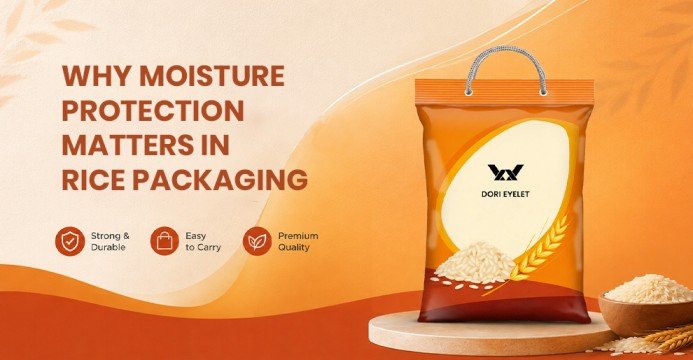
Moisture is one of the biggest threats to rice quality. Even a small amount of moisture exposure can damage rice during storage or shipping.
Rice naturally absorbs moisture from the environment. If packaging does not provide a strong moisture barrier, the product may develop:
- Fungal growth
- Bad odor
- Color changes
- Texture damage
- Insect infestation
- Reduced shelf life
For exporters, moisture damage can lead to major financial losses because products travel long distances through changing climate conditions.
That is why moisture-resistant laminated pouches and barrier films are widely used in modern rice packaging.
A high-quality rice bag packaging design must include proper sealing and multilayer protection to prevent humidity from entering the package.
How Moisture Affects Rice Quality
Moisture exposure directly impacts the texture, aroma, and freshness of rice.
Here are some common issues caused by poor packaging protection:
1. Loss of Freshness
Rice loses its natural aroma and texture when exposed to humidity for long periods.
2. Mold and Bacteria Growth
Excess moisture creates an environment where fungi and bacteria can grow rapidly.
3. Product Clumping
Moisture can make rice grains sticky and clumped together, reducing product quality.
4. Reduced Export Quality
International buyers expect premium-quality rice. Damaged packaging can affect export reputation and customer trust.
This is why experienced packaging manufacturers recommend oxygen barrier films and strong laminated structures for long-term storage.
Importance of Seal Protection in Rice Bags
Seal protection is equally important in food packaging.
Even if the packaging material is strong, weak seals can allow air and moisture to enter the bag. This can spoil the product quickly.
Strong sealing offers several advantages:
- Prevents leakage
- Improves shelf life
- Protects against contamination
- Maintains product hygiene
- Supports long-distance transportation
- Improves tamper resistance
Modern sealing technologies such as heat sealing and multilayer lamination are commonly used in the rice industry.
Today’s creative rice bag design solutions focus heavily on strong edge sealing because damaged seals are one of the most common reasons for packaging failure.
Brands that ignore seal quality often face customer complaints and product returns.
Best Materials Used for Rice Packaging
Choosing the right packaging material is essential for durability and moisture protection.
Here are some commonly used materials in rice packaging:
Laminated Plastic Films
These provide excellent moisture and oxygen barrier protection.
Common layers include:
- PET
- BOPP
- LDPE
- Metalized films
These materials are widely used in premium rice packaging design solutions.
Woven Polypropylene Bags
These bags are strong and cost-effective for bulk rice storage and transportation.
Kraft Paper with Inner Lamination
Used for eco-friendly and premium packaging appearance.
Vacuum Packaging Materials
Vacuum pouches help extend shelf life by reducing oxygen exposure.
Many brands now combine attractive visuals with advanced protection features through creative rice packaging design strategies.
How Creative Rice Packaging Design Builds Brand Trust
Packaging is often the first thing customers notice on a retail shelf.
A professional and hygienic-looking package creates trust immediately.
Today, brands are using creative rice packaging design to communicate:
- Product quality
- Freshness
- Premium value
- Food safety
- Brand identity
Consumers associate high-quality packaging with better-quality food products.
Features that improve customer trust include:
- Transparent windows
- Resealable zippers
- Premium matte finish
- Clear nutritional information
- Strong sealing
- Food-grade printing
An attractive creative rice bag design can also help products stand out in crowded supermarkets.
For food startups and exporters, packaging is not just protection anymore. It has become a powerful marketing tool.
Role of Two Side Gusset Pouches in Rice Protection
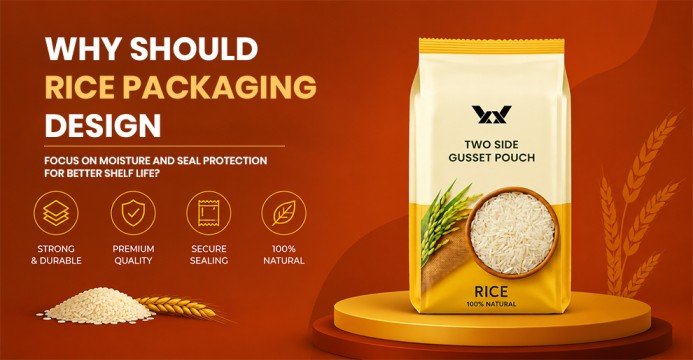
Two side gusset pouches are widely used in the rice industry because they offer better storage efficiency and durability.
These pouches expand from the sides, allowing more product capacity while maintaining structural strength.
Businesses looking for moisture-resistant packaging often prefer <a href=”#”>two side gusset pouches</a> because they provide:
- Better sealing strength
- Improved shelf stability
- High storage capacity
- Better stacking during transportation
- Enhanced barrier protection
These pouch structures are especially useful for bulk rice packaging and export shipments.
Modern rice bag packaging design trends increasingly focus on gusset packaging because it combines both functionality and visual appeal.
Sustainable and Recyclable Rice Packaging Trends
Sustainability is becoming a major trend in the packaging industry.
Consumers now prefer brands that use environmentally responsible packaging materials.
Many manufacturers are shifting toward recyclable packaging solutions to reduce plastic waste and improve brand reputation.
Eco-friendly rice packaging options include:
- Recyclable mono-material pouches
- Paper-based laminated packaging
- Biodegradable films
- Reduced plastic structures
Sustainable packaging also helps brands meet international environmental regulations.
Today’s new rice bag design concepts are combining sustainability with premium aesthetics to attract modern consumers.
Brands adopting eco-friendly packaging often gain stronger customer loyalty and better market visibility.
Common Mistakes Brands Make in Rice Packaging
Many brands focus only on printing and ignore technical packaging performance.
Here are some common mistakes:
Choosing Low-Quality Materials
Cheap materials may reduce packaging costs initially but can lead to product damage later.
Weak Sealing
Poor sealing allows moisture and oxygen to enter the package.
Ignoring Export Conditions
Packaging should be designed according to transportation and climate conditions.
Poor Storage Design
Weak bag structures may tear during stacking or shipping.
Overcomplicated Design
Some brands create visually crowded packaging that confuses customers.
A smart creative rice bag design balances branding with functionality.
How New Rice Bag Design Improves Shelf Appeal
Retail competition is increasing rapidly in the food industry.
An attractive new rice bag design helps products capture customer attention instantly.
Modern packaging trends include:
- Minimalist layouts
- Matte finishes
- Transparent windows
- Metallic effects
- QR code integration
- Premium typography
Consumers often judge product quality based on packaging appearance.
A professional new rice bag design can improve:
- Brand recall
- Customer trust
- Product visibility
- Retail conversion rates
Packaging now acts as a silent salesperson on store shelves.
Expert Tips for Choosing Rice Bag Packaging Design
Choosing the right packaging requires both technical and branding considerations.
Here are expert recommendations:
Focus on Barrier Protection
Choose multilayer films that protect against moisture and oxygen.
Prioritize Seal Strength
Strong sealing improves shelf life and transportation safety.
Select Food-Grade Materials
Lorem ipsum dolor sit amet, consectetur adipiscing elit. Ut elit tellus, luctus nec ullamcorper mattis, pulvinar dapibus leo.
Consider Consumer Convenience
Add easy-open features or resealable zippers when possible.
Invest in Branding
A premium-looking rice packaging design improves customer perception.
Think About Sustainability
Modern buyers appreciate environmentally friendly packaging options.
Test Packaging Performance
Conduct moisture and durability testing before large-scale production.
A well-planned new rice bag design should balance protection, branding, and practicality.
Future Trends in Rice Packaging
The rice packaging industry is evolving quickly.
Here are some future trends shaping the market:
- Smart packaging with QR tracking
- Eco-friendly materials
- Lightweight packaging structures
- Digital printing customization
- High-barrier recyclable films
- Minimalist packaging aesthetics
- Transparent packaging windows
- AI-driven packaging design optimization
Future-focused brands are already investing in innovative creative rice packaging design strategies to stay competitive.
Packaging will continue to play a major role in product protection, sustainability, and customer experience.
Conclusion
Moisture and seal protection play a major role in maintaining rice freshness, shelf life, and product quality. A strong rice bag packaging design helps protect rice from humidity, contamination, and storage damage while improving customer trust.
Today, brands need packaging that offers both durability and attractive presentation. From strong sealing to sustainable materials, modern creative rice packaging design solutions help businesses improve product safety, branding, and retail appeal.
At White lotus industries, we understand the importance of high-quality rice packaging solutions that combine protection, functionality, and premium design. Whether you need export-ready pouches or a modern new rice bag design, our packaging solutions are designed to help your brand stand out in the competitive food market.
FAQs
Why is moisture protection important in rice packaging design?
Moisture protection helps maintain rice freshness, prevents fungal growth, and improves shelf life during storage and transportation.
Which material is best for rice bag packaging design?
Laminated multilayer films such as PET and BOPP are commonly used because they provide strong moisture and oxygen barrier protection.
How does seal protection improve rice shelf life?
Strong sealing prevents air, moisture, and contaminants from entering the package, helping preserve product quality for longer periods.
What are the latest trends in creative rice bag design?
Popular trends include matte finishes, recyclable packaging, transparent windows, digital printing, and minimalist packaging styles.
Why are two side gusset pouches used for rice packaging?
Two side gusset pouches provide better storage strength, improved sealing, and higher product capacity, making them ideal for rice packaging.
4 Comments
Плановый технический осмотр считается важной практикой для сохранения безопасности автомобиля.
В ходе диагностики обнаруживаются потенциальные неисправности, которые способны вызвать аварии на пути.
Своевременное прохождение техосмотра дает возможность избежать серьёзных вложений на дорогостоящий ремонт в будущем.
Также исправный автомобиль гарантирует безопасность водителя и пассажиров в пути.
Техосмотр
Interactive entertainment provide individuals an wonderful means to link and have fun with peers globally.
http://mundiwood.pt/pa-mr-cashman-pokies-online-casinos-july-2026-the-best/
Частный бизнес выступает значимым локомотивом роста страны.
Бизнес открывает дополнительные рабочие места и даёт населению стабильный заработную плату.
https://www.metronews.ru/partners/novosti-partnerov-255/reviews/oleg-belay-biografiya-i-neobychnaya-istoriya-uspeha-glavy-investicionnoy-gruppy-trinfiko-2176541/
Более того, свое дело стимулирует нововведения и внедрение передовых продуктов.
В итоге, бизнес формирует экономику более динамичной и создаёт возможности для успеху.
La ludopatía responsable consiste en un conjunto de principios el cual pretende preservar el control en la actividad de apostar así como evitar las consecuencias negativas relacionados a el juego.
Requiere fijar límites de tiempo antes de comenzar, así como reconocer los indicios de una posible adicción.
https://www.apkfiles.com/apk-622658/descargar-mobcash-apk-oficial-gesti-n-de-caja-m-vi
Asimismo, impulsa decisiones conscientes así como procura que la la diversión permanezca el objetivo esencial al la actividad.
En resumen, este enfoque ayuda a los usuarios a mantener el control sobre sus decisiones así como a gozar la actividad de forma equilibrada.